
Software
Why Modern Businesses Need Logistics Technology: The Role of Third Party Logistics Software

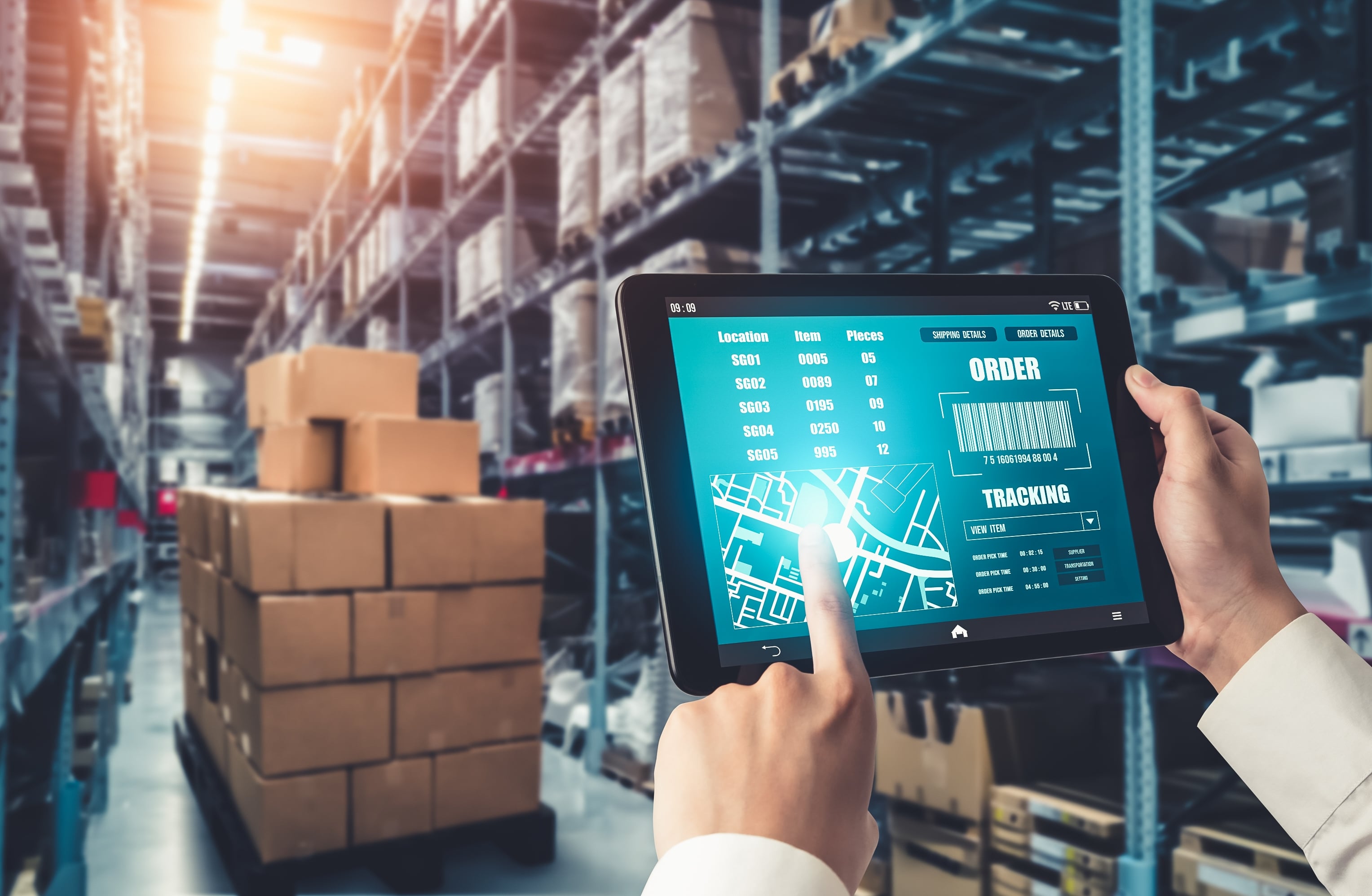
In today’s fast world, logistics is not just a back-end function. It’s a key driver of customer satisfaction and a competitive edge. All businesses see how important good logistics management is. It helps meet customer needs, cut costs, and stay competitive. A key player in this change is third-party logistics software. This is especially true for cloud-based WMS software.
Table of Contents
The Evolution of Logistics in Modern Business
Logistics isn’t just about moving goods from point A to point B anymore. E-commerce, globalization, and demands for speed and accuracy have added complexity. Now, logistics plays a crucial role in business success. To handle this complexity, companies are using technology solutions like cloud based WMS software, which provide scalability, visibility, and automation. By leveraging such tools, businesses can streamline operations, improve inventory management, and enhance real-time decision-making, ensuring they stay competitive in a fast-paced market.
What Is Third Party Logistics Software?
Third-party logistics software (3PL software) helps logistics providers manage key tasks. It handles warehousing, transportation, inventory, and order fulfillment for clients. These tools make logistics easier. They help with receiving goods and storing them in a warehouse. They also assist in picking, packing, and shipping orders to customers.
Third party logistics software enables 3PL providers to:
-
Manage multiple client accounts from a single dashboard
-
Track inventory levels in real time
-
Automate order processing and shipping
-
Provide clients with full visibility and reporting
-
Optimize route planning and transportation
Partnering with a 3PL provider can boost efficiency and cut costs for businesses. Using advanced logistics technology makes this possible.
Why Cloud Based WMS Software Is a Game-Changer
One of the most important components of third party logistics software is the warehouse management system (WMS). A cloud based WMS software offers several key advantages over traditional, on-premise systems:
Benefits of Cloud Based WMS Software in Third Party Logistics
Real-Time Visibility Across the Supply Chain
Cloud-based WMS software lets 3PL providers and clients view inventory and shipment data anytime and anywhere. This visibility helps track order status. It also aids in managing stock levels and forecasting demand more accurately.
Scalability Without Heavy IT Investment
Cloud based solutions can be scaled up or down based on business needs without the need for expensive hardware or IT infrastructure. This makes it ideal for growing businesses and seasonal operations.
Enhanced Collaboration and Communication
Cloud systems foster real-time collaboration between suppliers, logistics providers, and customers. You can see any changes in orders, delivery schedules, or inventory levels right away. This helps cut down on errors and miscommunication.
Faster Implementation and Lower Costs
Cloud-based WMS software is different. It can be set up quickly and costs less upfront than traditional software, which needs long installations. The subscription model also means businesses can avoid large capital expenditures.
Key Features of Effective Third Party Logistics Software
When picking a third-party logistics software, businesses should consider these features:
-
Multi-client support: Ability to manage different clients’ inventory and orders in a segregated, yet centralized system.
-
Advanced reporting tools: Generate reports on inventory turnover, order accuracy, delivery times, and more.
-
Integration capabilities: Seamless integration with e-commerce platforms, ERP systems, and carrier networks.
-
Automated billing and invoicing: Streamlined financial processes to reduce administrative overhead.
-
Customizable user portals: Branded access for clients to monitor their logistics operations.
The Competitive Advantage of Using Third Party Logistics Software
Companies using cloud-based WMS software for third-party logistics gain many benefits:
-
Faster fulfillment and delivery: Automation and real-time data help in quicker order processing.
-
Lower operational costs: By outsourcing logistics to a 3PL provider using efficient software, businesses save on labor, space, and transportation.
-
Improved customer experience: Accurate and timely deliveries enhance brand reputation and customer satisfaction.
-
Data-driven decision making: Real-time analytics enable proactive planning and optimization.
Challenges Without Logistics Technology
Businesses that fail to adopt modern logistics technologies often struggle with:
-
Inventory discrepancies and stockouts
-
Delayed or lost shipments
-
High operating costs
-
Poor visibility and reporting
-
Difficulty scaling operations
Investing in the right third-party logistics software helps companies tackle challenges. Cloud-based WMS solutions are especially effective for this.
Case Study: How a Retailer Transformed Its Supply Chain with Cloud Based WMS Software
A mid-sized online apparel retailer partnered with a 3PL company using cloud based WMS software. Before the partnership, the retailer often had inventory errors. Customers also complained about late deliveries.
After integrating with the 3PL’s system:
-
Order accuracy improved by 30%
-
Fulfillment time dropped by 40%
-
Customer complaints decreased by 60%
-
The company expanded to two new markets without needing to invest in new warehouses
This example shows how third-party logistics software and a cloud-based warehouse management system can transform operations.
Choosing the Right 3PL Partner with the Right Technology
When selecting a 3PL partner, businesses should evaluate:
-
The sophistication of the third party logistics software they use
-
Whether their WMS is cloud based
-
The level of automation and integration they offer
-
Their experience with similar industries or order volumes
Technology is a critical differentiator in 3PL partnerships today. Providers that invest in top logistics platforms often deliver better service and long-term value.
Conclusion: Investing in Logistics Technology Is No Longer Optional
In the digital age, logistics is no longer just a support function it has evolved into a core strategic asset that directly impacts customer satisfaction, cost management, and overall competitiveness. Businesses that embrace advanced logistics technology can significantly improve operational efficiency, enhance scalability, and respond more swiftly to market demands. Tools like cloud-based Warehouse Management Systems (WMS) and integrations with reliable 3PL providers offer real-time visibility, data-driven insights, and automation that streamline workflows and reduce errors. Whether you’re a startup outsourcing fulfillment to scale quickly or a large enterprise looking to simplify and modernize complex operations, third-party logistics software provides the agility and security needed to future-proof your supply chain. Ignoring this digital shift could mean falling behind in a rapidly evolving global marketplace.






