

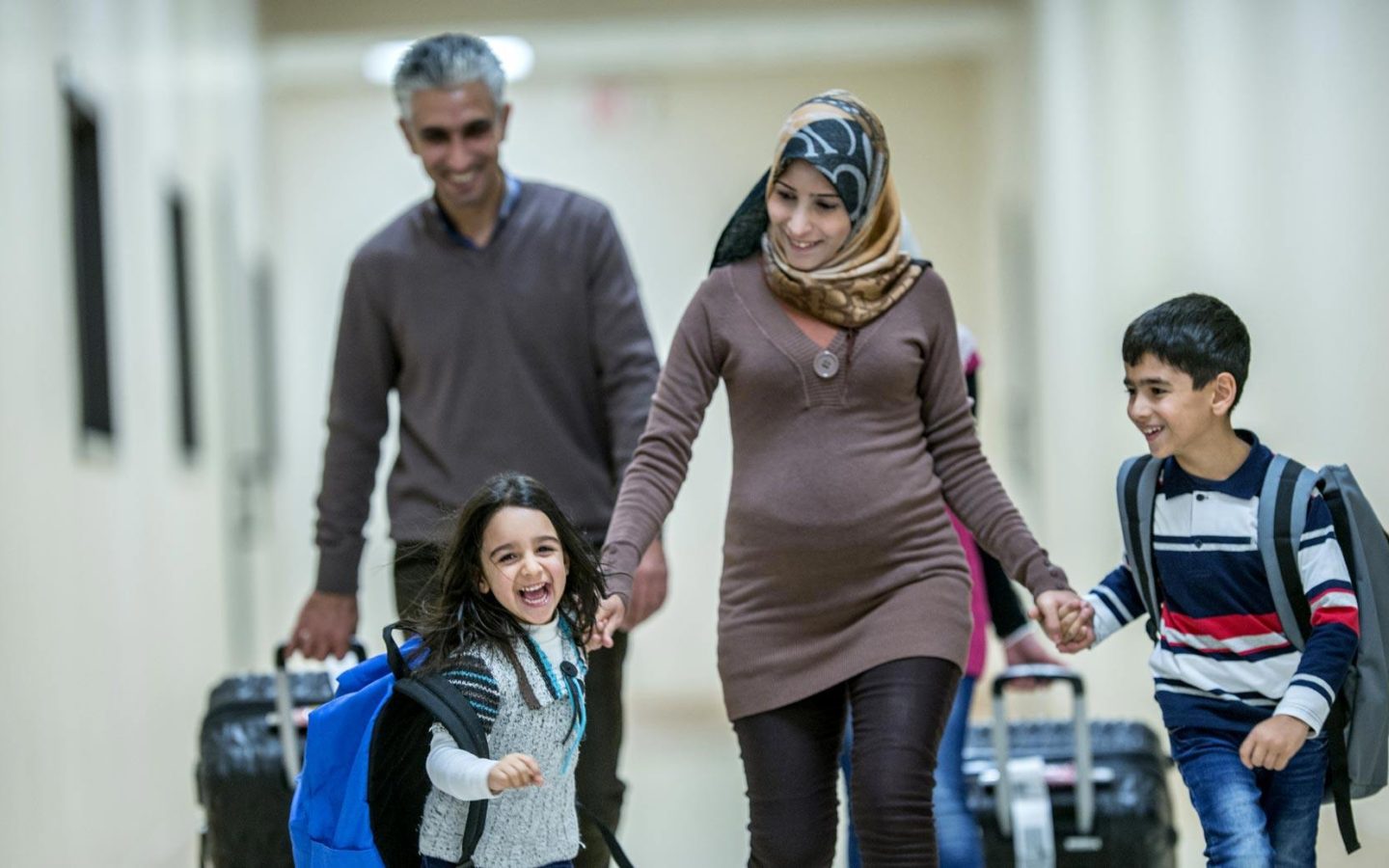
Family is at the heart of immigration for most Bay Area immigrants. The decision to come to the United States is often shaped by family considerations, and the desire to bring family members from countries of origin is often among the most pressing concerns immigrants face after establishing themselves. Family-based immigration provides the legal framework for these reunifications, but the framework is complex, the waiting times for many categories are substantial, and the strategic decisions made along the way significantly affect outcomes. Working with an experienced San Jose immigration attorney throughout the family-based immigration process is among the most valuable investments families can make in their long-term unity and stability.
The Categories of Family-Based Immigration
United States immigration law distinguishes between immediate relatives of citizens, who are not subject to numerical limits, and preference categories of family-based immigration, which are subject to per-country and per-category limits that create substantial waiting times. Immediate relatives include spouses, unmarried children under twenty-one, and parents of US citizens. Preference categories include unmarried adult children of citizens, spouses and unmarried children of permanent residents, married children of citizens, and siblings of citizens.
The waiting times for the various preference categories vary by the petitioner’s category and by the beneficiary’s country of birth. For certain combinations, the waiting times can extend more than a decade. The Department of State publishes a monthly visa bulletin that tracks the priority dates being processed in each category, and attorneys monitor these bulletins to advise clients on timing considerations. A San Jose Immigration Attorney with substantial family-based practice can explain the applicable waiting times for any specific family situation and can help families plan accordingly.
The Petition and Its Strategic Dimensions
The family-based immigration process begins with the filing of a petition by the qualifying citizen or permanent resident family member. The petition establishes the qualifying relationship and starts the priority date that determines when the beneficiary becomes eligible for further processing. The petition itself is a relatively straightforward filing in most cases, but strategic considerations affect its preparation and timing.
For couples and families with multiple potential petitioners, the choice of which family member files first can affect the long-term family options. For relationships established through marriage, the documentation establishing the bona fides of the marriage must be developed thoughtfully, particularly in cases where additional scrutiny may be applied. For petitions that involve potential admissibility issues for the beneficiary, the strategic planning for the waiver process should begin at the petition stage rather than waiting until consular processing or adjustment of status. Experienced attorneys think about these strategic dimensions throughout the petition phase rather than treating the petition as a routine administrative filing.
Consular Processing and Adjustment of Status
Once the petition is approved and the priority date is current, the beneficiary proceeds with either consular processing if they are outside the United States or adjustment of status if they are present in the United States in qualifying status. Consular processing involves filing additional documentation with the National Visa Center, attending an interview at the relevant US consulate, and ultimately entering the United States as a permanent resident. Adjustment of status involves filing an adjustment application with USCIS, attending an interview at the local field office, and obtaining permanent resident status without leaving the United States.
The choice between consular processing and adjustment of status, when both are available, involves strategic considerations including timing, the practical implications of each process, and the family circumstances of the beneficiary. Each process has its own requirements and its own typical complications. Attorneys with experience in both processes can advise on the better choice for the specific situation and can guide the client through whichever process is selected.
A Family Story That Showed the Stakes
A family I knew in San Jose had been navigating the family-based immigration process for the husband’s mother for nearly a decade. The priority date was approaching currency, and the family began the next steps with great anticipation. They had been working with a national immigration service that had handled the initial petition years earlier but had not been actively involved during the intervening waiting period. The service provided generic instructions for the consular processing phase without addressing several issues specific to the family’s situation.
Concerned that the situation warranted more careful attention, the family consulted with a San Jose Immigration Attorney with extensive experience in family-based matters. The attorney’s review identified several issues that needed attention. The husband’s financial situation had changed since the original petition, and the affidavit of support needed to reflect current circumstances. The mother’s medical examination would need to address several conditions that could affect admissibility. The application package needed to be assembled with documentation that the consulate processing the case had specific expectations about. The attorney handled all of these dimensions, and the case proceeded smoothly through the consular interview to approval. The family told me afterward that the difference between their initial experience with the national service and their experience with the local attorney was striking. The local attorney’s attention to the specific dimensions of their case had been worth far more than the difference in cost.
Addressing Inadmissibility Issues
Some family-based beneficiaries face inadmissibility issues that must be addressed before they can obtain permanent residency. Common inadmissibility grounds include prior unlawful presence in the United States, certain criminal history, prior immigration violations, and certain health-related conditions. Many of these grounds are waivable under specific provisions of the immigration law, but the waiver process involves substantive showings that must be carefully developed.
Waiver applications typically require demonstration of extreme hardship to qualifying US citizen or permanent resident family members. This showing involves comprehensive documentation of the family members’ personal circumstances, financial situation, medical conditions if any, the country conditions in the country to which the beneficiary would be returned, and the various other factors that affect the hardship analysis. Effective waiver representation requires substantial work in developing this documentation and presenting it persuasively. Attorneys with experience in waiver work can navigate this complex process; attorneys without this experience often produce submissions that fall short of what successful waivers require.
The Affidavit of Support Requirements
Family-based immigration requires the petitioning family member to file an affidavit of support demonstrating sufficient income to support the beneficiary at one hundred twenty-five percent of the federal poverty guideline. For petitioners whose income does not meet this threshold, additional joint sponsors may be required. The affidavit of support is a binding legal commitment that can be enforced for many years after the beneficiary obtains permanent residency.
Preparing the affidavit of support correctly requires attention to the financial documentation required, the calculation of household size and applicable poverty thresholds, and the implications of any joint sponsorship arrangements. Mistakes in this area can produce delays in processing or, in some cases, denials. Attorneys experienced in family-based work guide clients through this requirement carefully and ensure that the documentation supports the showing that the immigration framework requires.
Conditional Permanent Residency and Removal of Conditions
Spouses who obtain permanent residency through marriage to a US citizen within the first two years of the marriage receive conditional permanent residency that expires after two years. The conditional residency must be converted to full permanent residency through a joint petition by both spouses or, in cases involving divorce, abuse, or extreme hardship, through a unilateral petition by the immigrant spouse. The removal of conditions process is itself an immigration filing with its own requirements and its own potential complications.
For couples whose marriages are intact, the removal of conditions is typically straightforward but requires careful documentation of the continuing marriage and shared life. For couples whose marriages have ended, the unilateral filing involves more substantive demonstrations and benefits significantly from experienced attorney guidance. Either way, the removal of conditions deserves the same attention to detail that the initial adjustment or consular processing received. Failure to file the removal of conditions properly can result in termination of permanent resident status with significant consequences.
Long-Term Family Planning
Family-based immigration often extends over many years and involves multiple successive matters as different family members navigate the process. A spouse who obtains permanent residency may eventually naturalize and become eligible to file petitions for parents, siblings, or other family members. Children who immigrate with their parents may eventually file petitions for spouses or for parents in their countries of origin. Each of these subsequent matters builds on the family’s earlier immigration history, and continuity of legal representation provides substantial benefits.
Families working with attorneys for the long term benefit from the attorney’s accumulating familiarity with the family’s situation, the streamlined handling of subsequent matters, and the strategic continuity that comes from having a single attorney who understands the family’s broader immigration trajectory. This long-term perspective is among the most valuable aspects of working with experienced family-based immigration counsel. The right San Jose Immigration Attorney is one who builds these long-term relationships with the families they represent and who is committed to supporting those families across the full arc of their immigration journeys.


