

Table of Contents
Introduction
Street art, once relegated to the margins of urban spaces, has emerged as a powerful and dynamic form of artistic expression. Among the luminaries in this genre, Banksy stands as an iconic figure, challenging conventions and redefining the boundaries of street art. This article delves into the world of street art, examining its evolution, the distinctive features that define the genre, and the unparalleled influence of Banksy on shaping the narrative of contemporary street art.
The Evolution of Street Art
Streetart, often synonymous with graffiti, has undergone a transformative journey over the years. From its early roots as a form of urban rebellion and territorial marking, street art has evolved into a legitimate and respected art form. What was once considered vandalism is now celebrated as a means of transforming public spaces into dynamic canvases that engage with the socio-political landscape.
Defining Street Art: Beyond the Walls
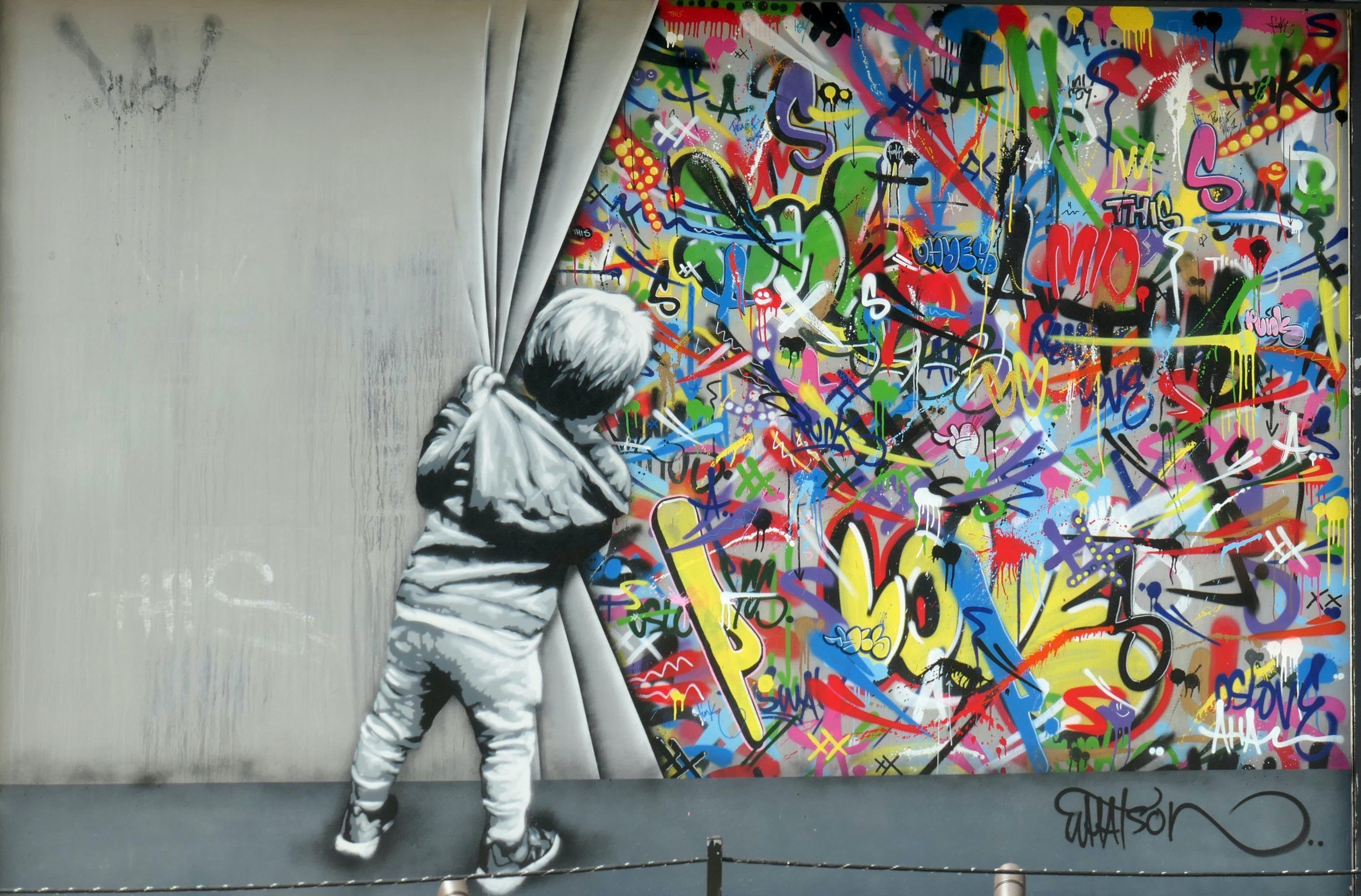
Street art encompasses a wide array of artistic expressions, including murals, stencils, wheatpaste posters, and installations. Unlike traditional art forms confined to galleries, street art engages with the public directly, making use of the cityscape as a canvas. The streets become a gallery without boundaries, inviting a diverse audience to interact with and interpret the art in their daily lives.
Banksy’s Influence on Street Art
At the forefront of the street art movement is Banksy, whose impact transcends the urban sprawls where the art is created. Banksy’s work has brought a new level of visibility and legitimacy to street art, elevating it from the streets to prestigious galleries and international recognition. The artist’s ability to seamlessly blend wit, humor, and socio-political commentary has set a standard for the genre, inspiring a new generation of street artists.
The Language of Street Art: Banksy’s Distinctive Style
Banksy’s distinctive style, marked by stenciled images and poignant messages, has become synonymous with the language of street art. Whether it’s the iconic “Girl with a Balloon” or the politically charged “Palestine – Love is in the Air,” Banksy’s art speaks a universal language that resonates with people across diverse backgrounds. The simplicity of the images belies the complexity of the messages, inviting viewers to engage in critical dialogue.
Bridging the Gap: From Street to Gallery

Banksy’s success lies not only in the impact of the art on the streets but also in the artist’s ability to bridge the gap between the unconventional world of street art and the traditional gallery setting. The transition from the streets of Bristol to the walls of prestigious institutions has challenged preconceived notions about where art belongs. Banksy’s journey has redefined the boundaries of artistic spaces, emphasizing the accessibility and democratization of art for all.
Street Art as Social Commentary
Beyond its aesthetic appeal, street art serves as a powerful medium for social commentary. Banksy, in particular, has used the streets as a platform to address issues ranging from political unrest to environmental concerns. The transient nature of street art adds an urgency to the messages, encouraging viewers to confront societal issues and question the status quo.
Conclusion
Street art, with Banksy as its trailblazer, has evolved from a subversive form of expression to a global cultural phenomenon. The streets have become a canvas for social commentary, a dynamic space where artists challenge norms and engage with the public directly. Banksy’s influence extends far beyond the physical spaces where the art is created, sparking conversations, inspiring change, and leaving an indelible mark on the landscape of contemporary art. As the enigmatic figure continues to navigate the urban labyrinth, the influence of street art, as exemplified by Banksy, will undoubtedly persist in shaping the narrative of our evolving cultural landscape.






