
Blog
tñacuache: The Midnight Superhero of Mexico’s Gardens
The tñacuache: Mexico's Amazing Night-Time Explorer

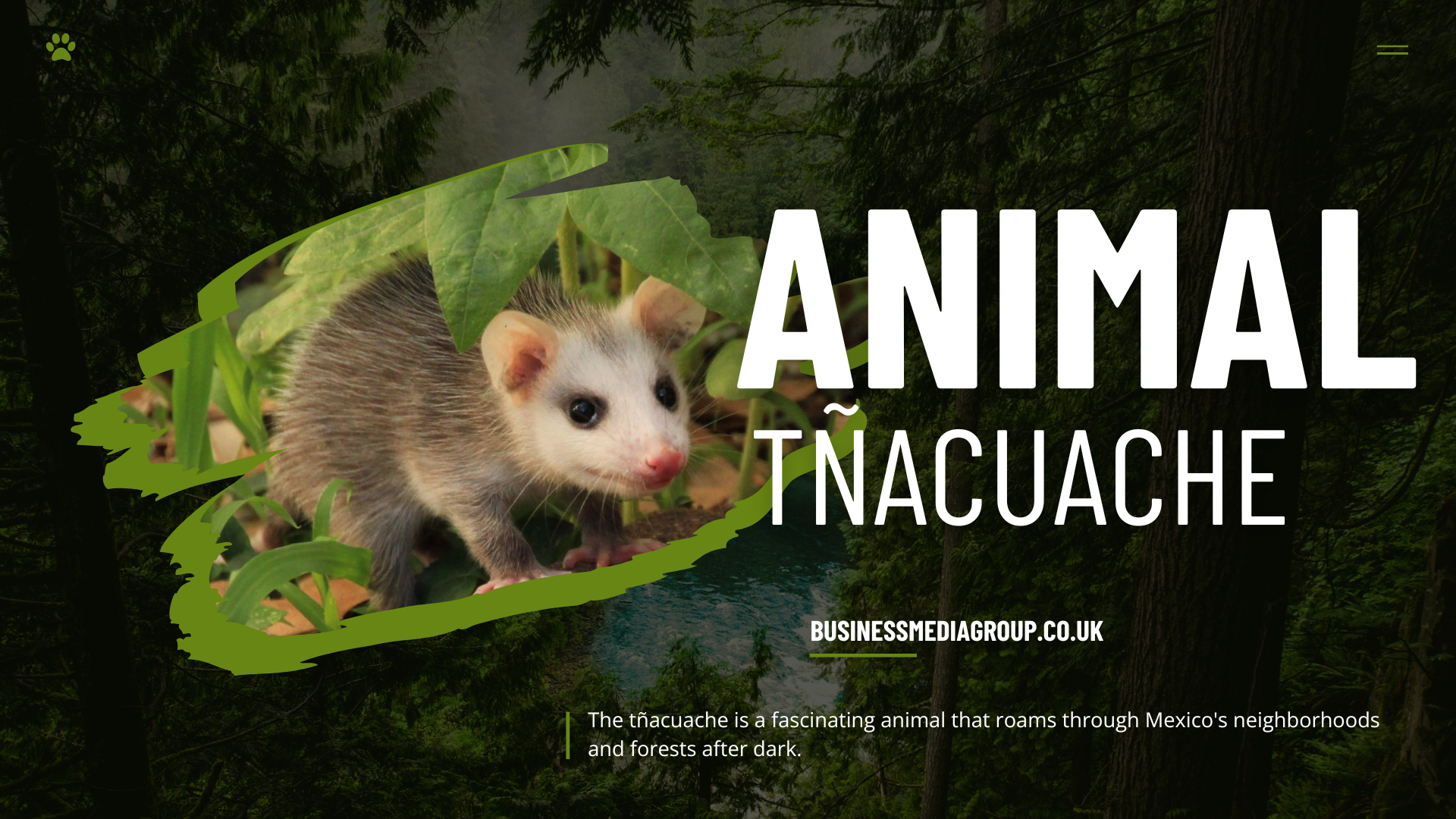
The tñacuache is a fascinating animal that roams through Mexico’s neighborhoods and forests after dark. This special creature, which many people might simply call an opossum, has been living alongside humans for hundreds of years and plays an important role in Mexican culture and the environment. Let’s discover what makes this amazing animal so special and why it deserves our attention and respect.
Table of Contents
What Makes the Tñacuache Unique?
Just like its English-speaking cousin the opossum, the tñacuache is a marsupial, which means it carries its babies in a special pouch. This makes it different from most other mammals in North America. These clever animals have been around since the time of dinosaurs, and they’ve learned to adapt to all sorts of environments, from busy city streets to quiet countryside farms.
Special Features and Abilities
One of the most interesting things about these animals is their long, scaly tail that helps them balance while climbing trees. They also have special thumbs on their back feet that work kind of like our own thumbs, making them excellent climbers. Their face looks a bit like a friendly pointed mask, with a pink nose and dark eyes that help them see well at night.
Life of a Nighttime Wanderer
When the sun goes down and most people are getting ready for bed, the tñacuache comes out to explore. These smart animals know exactly where to find their favorite foods, and they’re not picky eaters at all! They’ll munch on fruits that have fallen from trees, insects they find crawling around, and even small animals like mice. This makes them very helpful for controlling pests in gardens and farms.
A Day in the Life
During the daytime, these animals find cozy spots to sleep, like hollow trees or quiet spaces under porches. They roll up into a warm ball and sleep until darkness comes again. When night falls, they wake up hungry and ready for their evening adventures. Female tñacuaches often carry their tiny babies in their pouch, keeping them safe and warm while they look for food.
Why These Animals Matter
These amazing creatures help keep our environment healthy in many ways. They eat lots of insects that could damage gardens, and they clean up fallen fruit that might otherwise rot on the ground. When they eat fruits, they spread seeds around in their droppings, helping new plants grow in different places. This makes them important gardeners of nature!
Myths and Misunderstandings
Some people think these animals are scary or dangerous, but the truth is that the tñacuache is usually very shy and tries to avoid people whenever possible. They would rather run away and hide than get into a fight. Sometimes they might pretend to be dead when they’re scared – this clever trick helps keep them safe from animals that might want to hurt them.
Living Together in Harmony
As our cities grow bigger, we need to learn how to share our space with these helpful animals. We can make our neighborhoods friendlier for them by keeping our yards clean and not using harmful chemicals that might make them sick. Remember, these animals have been living alongside humans for countless generations, and they deserve our respect and protection.
How to Be a Good Neighbor
If you see a tñacuache in your neighborhood, the best thing to do is give it space and let it go about its business. These animals don’t want to cause any trouble – they’re just looking for food and a safe place to rest. Keep your pets inside at night and secure your garbage cans to avoid attracting unwanted visitors.
Protecting These Special Animals
It’s important to teach others about how valuable these animals are to our environment. When people understand that the tñacuache helps keep our ecosystems healthy, they’re more likely to protect them. By sharing what we know about these amazing creatures, we can help make sure they continue to thrive for many years to come.
What You Can Do to Help
If you find an injured animal, it’s best to call a wildlife expert who knows how to help them properly. Never try to touch or catch wild animals, even if you want to help them. Instead, learn about them from a safe distance and appreciate the important work they do in nature.





