

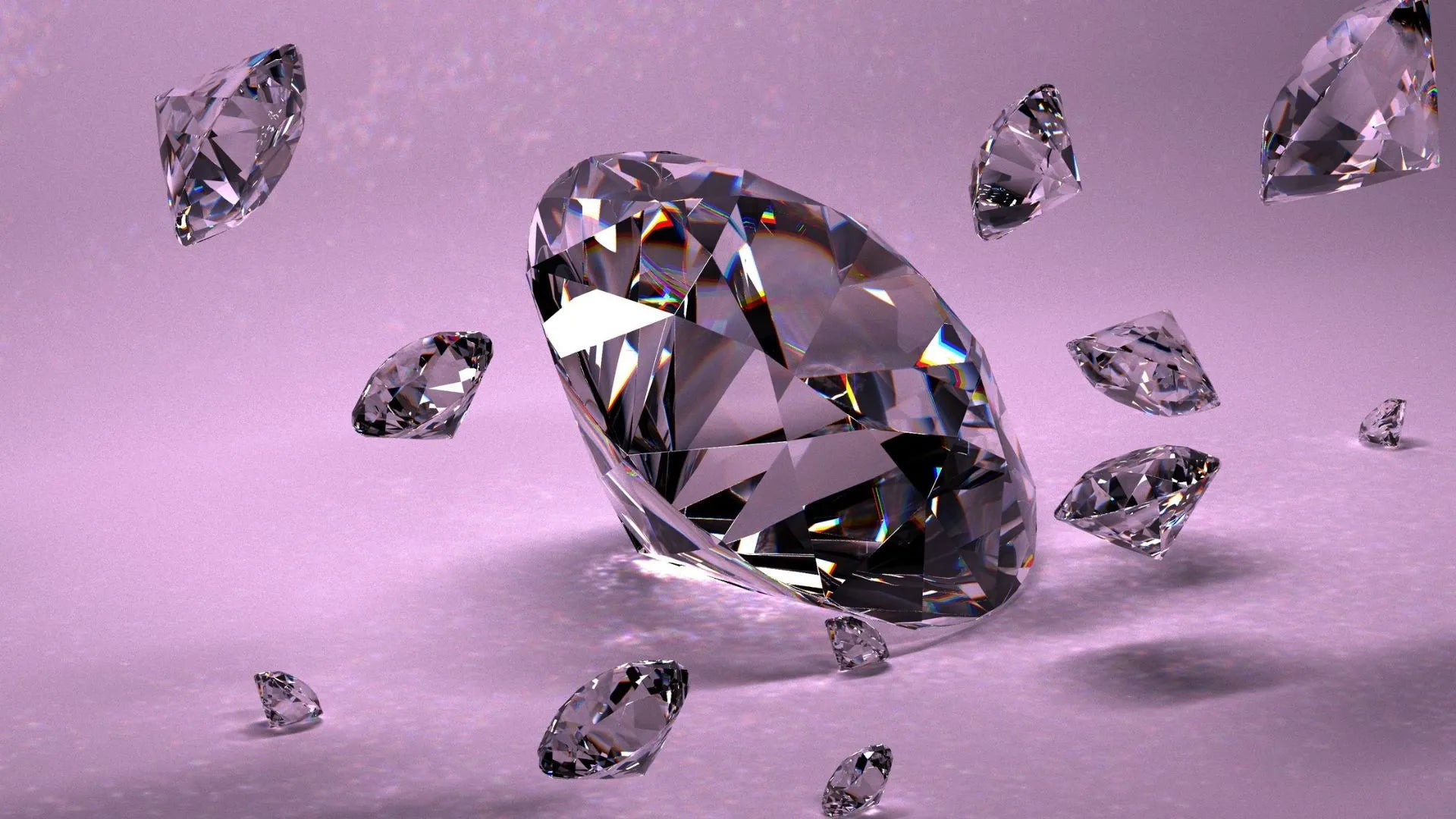
When it comes to choosing a metal for your engagement or wedding ring, platinum and gold are two of the most popular options. In recent years, platinum vs gold lab grown diamond rings have gained significant popularity as a sustainable and cost-effective alternative to mined diamonds. But when combined with either platinum or gold, the question arises: Which metal is better for setting your lab-grown diamond? In this article, we’ll compare platinum and gold for lab-grown diamond rings to help you make an informed decision.
Table of Contents
What Are Lab-Grown Diamonds?
Before diving into the comparison of platinum and gold, let’s take a quick look at lab-grown diamonds. These diamonds are chemically, physically, and optically identical to natural diamonds, but they are created in a controlled lab environment rather than mined from the earth. Lab-grown diamonds are an eco-friendly and ethical alternative, as they do not contribute to the environmental degradation or human rights concerns associated with traditional diamond mining.
Lab-grown diamonds are available in various shapes, sizes, and qualities, making them an excellent option for couples looking for a beautiful and affordable diamond engagement ring. The next step is choosing the right metal to complement your diamond.
Platinum vs Gold: The Basics
Both platinum and gold are precious metals that have been used in jewelry for centuries. However, they have different characteristics that may make one a better fit for your lab-grown diamond ring. Here’s a breakdown of each:
Platinum: The Precious Metal of Endurance
Platinum is a dense, naturally white metal that’s known for its durability and timeless elegance. It is one of the rarest metals on Earth, making it highly valuable and sought after. Here are some key features of platinum:
- Durability: Platinum is stronger than gold, making it an ideal choice for those who lead an active lifestyle or work with their hands. Its resistance to wear and tear ensures that your ring will remain in excellent condition for years to come.
- Color: Platinum’s naturally white hue gives it a sleek, modern look that complements the brilliance of a lab-grown diamond. It won’t fade or tarnish over time, making it a long-lasting choice.
- Hypoallergenic: Platinum is hypoallergenic, meaning it’s less likely to cause allergic reactions, making it perfect for individuals with sensitive skin.
Gold: Classic and Versatile
Gold, on the other hand, has been a symbol of wealth and beauty for millennia. Available in a variety of colors—yellow, white, and rose—gold offers flexibility in design. Here’s a quick look at gold’s attributes:
- Variety of Colors: Gold is available in different hues, each offering a unique aesthetic. Yellow gold offers a classic, warm look, while white gold provides a sleek and modern vibe, similar to platinum. Rose gold, made by adding copper to gold, has a romantic and vintage feel.
- Affordability: Gold is generally more affordable than platinum, making it a great choice for couples who are looking to stay within a budget. It also offers a broader range of price points based on karat value, such as 14k or 18k.
- Malleability: Gold is more malleable than platinum, which means it can be crafted into intricate and detailed designs with ease. However, this malleability can also make it more susceptible to scratching and wear over time.
Pros and Cons of Platinum vs Gold for Lab-Grown Diamond Rings
To help you make an informed decision, lab grown diamonds, here’s a side-by-side comparison of the two metals:
Platinum Pros
- Extremely durable and resistant to scratching.
- Naturally white and maintains its color over time.
- Hypoallergenic, ideal for sensitive skin.
- Rarer and more prestigious.
Platinum Cons
- More expensive than gold.
- Heavier than gold, which may not be preferred by everyone.
- Can develop a natural patina over time, which some may not like.
Gold Pros
- Available in a variety of colors (yellow, white, and rose gold).
- More affordable than platinum.
- Easier to work with, offering more intricate design options.
Gold Cons
- Susceptible to wear and scratching over time, especially in lower-karat gold.
- May require rhodium plating (for white gold) to maintain a white appearance.
- Less durable compared to platinum.
Which Metal is Best for Your Lab-Grown Diamond Ring?
When choosing between platinum and gold for your lab-grown diamond ring, consider the following factors:
- Budget: If you’re on a budget, gold might be a better option since it’s more affordable than platinum. You can also choose between different karat values to suit your price range.
- Lifestyle: If you lead an active lifestyle or work with your hands frequently, platinum is the more durable option. Its resistance to scratching and tarnishing makes it ideal for people who need a low-maintenance ring.
- Aesthetic Preferences: If you prefer the sleek, modern, and minimalist look, platinum may be your best bet. On the other hand, if you love the idea of customization with different colors, gold offers a wide range of options.
- Longevity: Platinum is known for its long-lasting qualities, meaning it won’t tarnish or fade over time. If you’re looking for a metal that will stand the test of time, platinum might be the way to go. However, gold’s versatility allows for a timeless yet more affordable choice.
Conclusion: Platinum vs Gold Lab-Grown Diamond Rings
Both platinum and gold offer unique benefits when paired with a lab-grown diamond, and the choice ultimately comes down to your personal preferences, lifestyle, and budget. Platinum offers unmatched durability, timeless elegance, and hypoallergenic properties, while gold provides a more affordable, versatile option with a range of color choices.
Regardless of your choice, a lab-grown diamond ring set in platinum or gold is a beautiful, ethical, and sustainable symbol of love. The most important thing is that your ring reflects your personality and the lasting commitment you share with your partner.






