

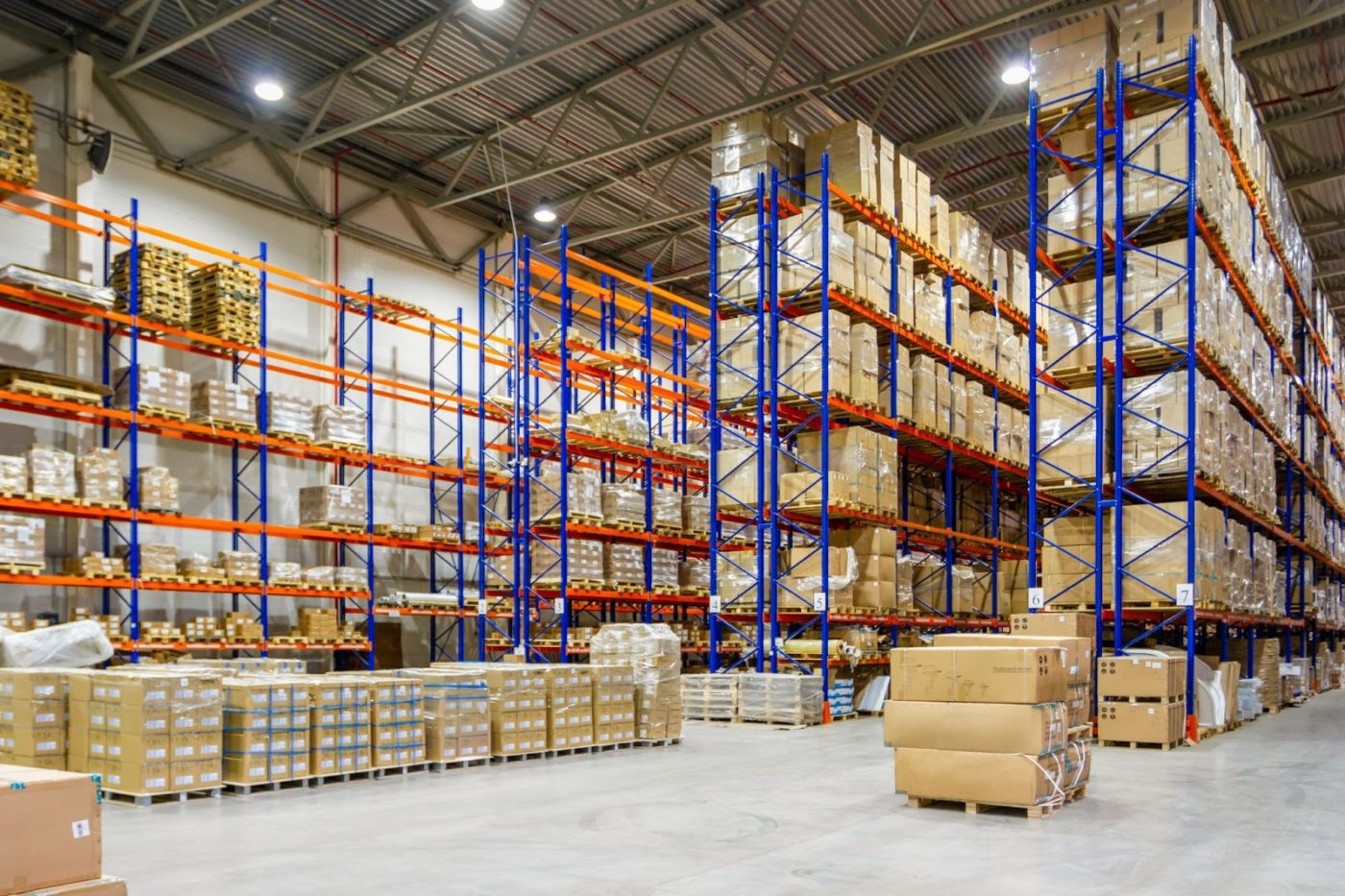
In today’s fast-paced world of logistics and supply chain management, efficient storage solutions are more important than ever. Whether you’re running a small warehouse or managing a massive distribution center, organizing and storing inventory properly can drastically affect your productivity and bottom line. That’s where pallet racking systems come into play.
Pallet racking is a material handling storage aid system designed to store materials on pallets (also known as “skids”). These systems have become the industry standard in warehouses, manufacturing units, and retail storage facilities due to their ability to maximize space, improve inventory organization, and enhance operational safety.
Table of Contents
What Is Pallet Racking?
Pallet racking refers to a multi-level storage system used to hold goods on pallets. These systems are typically made from steel and consist of horizontal rows with multiple levels. Each level is equipped to hold several pallets of goods, which are loaded and retrieved with forklifts.
The core idea behind pallet racking is to utilize vertical space efficiently. Instead of expanding a warehouse horizontally, pallet racking allows companies to stack goods higher, saving valuable floor space and streamlining the flow of inventory.
Types of Pallet Racking Systems
There isn’t a one-size-fits-all pallet racking system. Depending on the size, weight, and type of inventory, businesses can choose from several designs. Here are the most common types:
1. Selective Pallet Racking
Selective racking is the most popular and versatile type. It provides easy access to every pallet and is ideal for warehouses that store a wide variety of products. These racks can be configured to suit any warehouse layout, making them a favorite for general use.
Pros:
- Direct access to each pallet
- Cost-effective and easy to install
- Compatible with most forklift types
Cons:
- Less storage density compared to other systems
2. Drive-In and Drive-Through Racking
These high-density systems are suitable for storing large quantities of similar items. In drive-in racks, forklifts enter from one side and retrieve pallets in a LIFO (Last-In, First-Out) order. Drive-through racks allow access from both sides, enabling FIFO (First-In, First-Out) rotation.
Pros:
- Maximizes warehouse space
- Great for seasonal or bulk inventory
Cons:
- Limited selectivity
- Requires careful forklift operation
3. Push-Back Racking
Push-back racking systems are slightly inclined, Commercial Pallet Racking to roll forward when one is removed. This allows multiple pallets to be stored behind each other (up to 6 deep).
Pros:
- High storage density
- FIFO or LIFO options available
Cons:
- Higher initial investment
- Not suitable for fragile or sensitive goods
4. Pallet Flow Racking (Gravity Flow)
This system uses a conveyor-like structure where pallets slide from the loading end to the picking end using gravity. It’s ideal for fast-moving inventory and high-volume operations.
Pros:
- Ideal for FIFO inventory rotation
- Highly efficient for perishable goods
Cons:
- Expensive to install and maintain
- Requires consistent pallet sizes and weights
5. Cantilever Racking
While not strictly a Industrial Pallet Racking system, cantilever racks are useful for long or irregular-shaped items like pipes, lumber, or steel rods. They consist of vertical columns with horizontal arms that extend outward.
Benefits of Pallet Racking
Implementing the right Industrial Industrial Pallet Racking system can transform your warehouse operations. Here are the major benefits:
Optimized Storage Space
By utilizing vertical space, pallet racking dramatically increases storage capacity without needing to expand the warehouse footprint.
Improved Inventory Management
With clear organization and dedicated spots for every SKU (stock-keeping unit), businesses can reduce picking errors and improve order accuracy.
Enhanced Safety
Modern pallet racking systems come with safety features such as rack protectors, column guards, and beam locks, which help prevent accidents in high-traffic warehouse environments.
Scalability and Customization
Racking systems can be customized and scaled as the business grows. Modular designs allow for easy reconfiguration and expansion.
Cost-Effectiveness
Though there’s an upfront investment, the long-term savings through better space utilization, fewer damaged goods, and faster operations make it highly economical.
Key Considerations Before Choosing a Racking System
Choosing the right Commercial Industrial Pallet Racking system is crucial. Here are a few factors to consider:
1. Inventory Type and Size
Understand your products: Are they heavy? Do they require rotation (FIFO)? Do they come in uniform pallets?
2. Warehouse Dimensions
Measure your warehouse floor space and ceiling height to determine how much vertical storage is feasible.
3. Forklift Compatibility
Different racking systems may require specific forklift types or aisle widths.
4. Load Capacity
Each racking level and bay has a maximum load limit. Overloading racks can cause structural failure and pose safety risks.
5. Regulatory Compliance
Ensure your system meets local building codes, fire safety regulations, and seismic requirements.
Installation and Maintenance
Professional installation is critical to ensure structural integrity and employee safety. Regular rack inspections should be part of warehouse safety protocols. Look for signs of damage, rust, and misalignment. Keeping the racking system in top shape reduces the risk of costly accidents and extends its service life.
Modern Innovations in Pallet Racking
With the rise of automation and smart warehouses, pallet racking is evolving:
- Mobile Racking Systems: Racks mounted on movable bases that slide on tracks, opening only one aisle at a time to save space.
- AS/RS (Automated Storage and Retrieval Systems): Robotic systems that integrate with Commercial Pallet Racking for automated inventory movement.
- IoT Integration: Smart sensors can monitor load weights, shelf occupancy, and rack integrity in real time.
Conclusion
In the logistics and warehousing world, space is money. A well-designed Commercial Pallet Racking system allows businesses to store more in less space, retrieve goods faster, and maintain a safer working environment. Whether you’re managing food products, consumer goods, or industrial supplies, there’s a pallet racking solution tailored to your needs.


