

The UK property market is diverse, dynamic, and full of opportunities. Whether you’re a first-time buyer, a seasoned investor, or someone looking to rent, understanding the intricacies of UK properties is essential to making the best decision. With so many types of properties available across different regions, navigating the market can sometimes feel overwhelming. But don’t worry – we’re here to help you learn more about UK properties and guide you through the process of finding your ideal home.
In this article, we’ll provide you with a comprehensive overview of the UK property market, covering everything from types of properties to the buying and renting process. By the end, you’ll have a clearer understanding of what to look for and how to make informed decisions when exploring properties in the UK.
Table of Contents
Understanding the Types of Properties in the UK
The UK property market offers a wide range of property types, each with its own advantages and considerations. Whether you are buying or renting, it’s essential to understand these types and choose the one that best suits your lifestyle and needs.
1. Houses
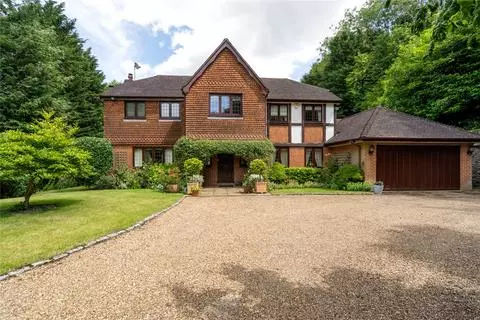
Houses are perhaps the most common type of property in the UK, especially for families. They come in various forms, including terraced, semi-detached, and detached homes. Detached houses offer more privacy and space, while terraced and semi-detached houses are often more affordable and located in desirable areas.
2. Flats and Apartments
Flats and apartments are ideal for individuals or couples who prefer low-maintenance living in city centers or urban areas. These properties typically come in various sizes, from studio flats to spacious multi-bedroom apartments. In some cases, flats are part of larger buildings with shared amenities like gyms or communal gardens.
3. Cottages
Cottages are often associated with rural living and are typically smaller properties with a charming, quaint design. These properties are ideal for those who prefer a quieter, more scenic lifestyle in the countryside or in small villages.
4. Bungalows
Bungalows are single-story homes, ideal for people who want to avoid stairs or have mobility issues. They are often located in suburban or rural areas and offer a more spacious feel compared to flats or apartments.
5. New Builds
New-build properties are brand-new homes, often part of a larger development or housing estate. They are usually energy-efficient, modern, and come with up-to-date appliances and features. These properties are often more expensive than older homes but can offer long-term value in terms of reduced maintenance and lower energy bills.
6. Student Accommodation
If you’re a student or looking to rent to students, there is a range of purpose-built student accommodations available. These properties are often located near universities or colleges and are designed with students in mind, providing affordable and flexible living options.
The Buying Process: What You Need to Know
If you’re planning to buy a property in the UK, it’s important to understand the buying process to avoid any pitfalls. Here’s an overview of the steps involved:
1. Get Your Finances in Order
Before you start browsing properties, make sure your finances are in order. This includes securing a mortgage pre-approval, setting a budget, and considering all additional costs like stamp duty, legal fees, and surveys.
2. Search for Properties
Once you have a budget in mind, start searching for properties. Use online platforms, visit local estate agents, and attend property viewings to get a feel for what’s available in your price range.
3. Make an Offer
When you find a property you like, make an offer to the seller. If your offer is accepted, you can proceed with the next steps, including a property survey and signing a contract.
4. Hire a Solicitor
A solicitor will help you with the legal side of buying a property, including conducting searches, exchanging contracts, and completing the sale. Their services are crucial for ensuring the transaction is legally sound.
5. Complete the Purchase
Once all checks are complete, and contracts are exchanged, you can finalize the purchase. The property is now yours!
The Renting Process: A Simple Guide
Renting a property in the UK is a more straightforward process, but it still involves key steps you need to understand:
1. Set Your Budget
Before you begin your search, determine how much you can afford to pay in rent each month. Don’t forget to factor in other costs, such as utilities, council tax, and maintenance fees, if applicable.
2. Start Your Search
Search for rental properties online, visit letting agents, or check local newspapers for available listings. Be sure to narrow down your options based on location, budget, and property size.
3. View the Property
Once you’ve found properties that meet your criteria, arrange viewings. Take time to inspect the property, ask questions about the lease terms, and check for any potential issues like dampness, repairs, or safety concerns.
4. Sign the Lease Agreement
If you decide to rent a property, you’ll be required to sign a lease agreement. This document will outline the rent amount, the lease term, your rights as a tenant, and the responsibilities of the landlord. Ensure you thoroughly read and understand the agreement before signing.
5. Move In
After signing the lease, you’ll pay your deposit and the first month’s rent. Once everything is sorted, you can move into your new home and enjoy the benefits of renting.
Factors to Consider When Choosing a Property
When exploring UK properties, there are several important factors to keep in mind to ensure you choose the right one:
1. Location
The location of the property is crucial. Think about your lifestyle and whether you prefer city living or the quiet of the suburbs. Consider proximity to work, schools, shops, transport links, and recreational areas.
2. Budget
Whether you’re renting or buying, stay within your budget. Remember to factor in additional costs, such as bills, maintenance, and repairs for homeowners, or rent increases and deposit amounts for renters.
3. Property Condition
When buying, always arrange a property survey to assess the condition of the home. For renters, ensure the landlord has maintained the property properly and check for any visible issues during the viewing.
4. Size and Layout
Make sure the property meets your space requirements. For larger families, a house with multiple bedrooms and living areas may be needed. For singles or couples, a smaller flat or apartment might be perfect.
Conclusion: Make Informed Property Decisions
Learning more about UK properties is essential whether you’re buying or renting. By understanding the types of properties available, the buying and renting processes, and key factors to consider, you can make informed decisions and find the perfect home.
The UK property market is diverse, with something to offer everyone. From city flats to countryside cottages, there’s a wide range of properties that can meet your needs and budget. So, take your time, do your research, and don’t hesitate to reach out to property professionals to guide you through the process.
If you’re ready to dive deeper into the UK property market and find your next home, start browsing listings online today. With the right tools and information, your dream property is just a few clicks away!






