

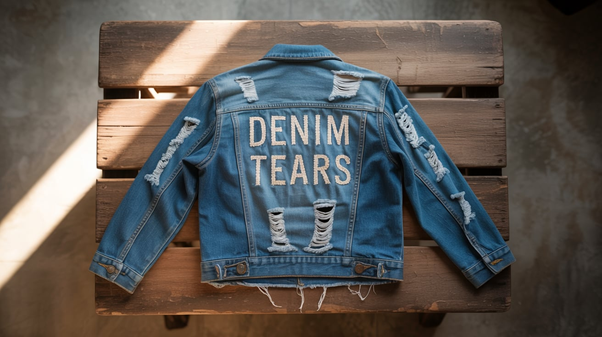
When we conceive fashion, we often associate it with personal verbalization or aesthetic trends. But what occurs when fashion becomes a container for cultural analysis and historical impression? Enter Denim Tears, a groundbreaking brand that seamlessly weaves together culture, annals, and activism fashionable. Founded by Tremaine Emory, Denim Tears isn’t just about clothes—it’s an intensely resonant declaration in the world of contemporary fashion.
This site will delve into the lie behind Denim Tears, exploring allure’s unique approach to blending fashion with social analysis, its groundbreaking collaborations, allure commitment to sustainability, and allure’s enduring impact on the clothing industry.
Table of Contents
The Journey of Denim Tears and Tremaine Emory
At the heart of Denim Tears lies the creative ability of Tremaine Emory, a designer, militant, and cultural troublemaker. Known for his roles as the imaginative director at Supreme and Kanye West’s Yeezy, Emory has usually sought to challenge unoriginal notions in the fashion realm. With Denim Tears, he has created a brand that reflects welcome heritage and a more extensive, urgent narrative about the African American past.
The iconic understanding wreath logo is principal to Denim Tears, a nod to slavery and the integral injustices African Americans have met throughout U.S. record. For Emory, fashion is not limited to aesthetics; it is a tarpaulin to educate and spark talk. His vision combines elements of description, merging history accompanying wearable art. By tiring Denim Tears, consumers aren’t just selecting an outfit; they are joining a dialogue about racial correspondence, resilience, and the enduring scars of experiences.
Fashion as a Form of Social Commentary
Denim Tears achieves something few fashion brands dare commotion. It delivers superior, meticulously crafted garments while driving home bitter social ideas. Every piece tells a lie, often related to racism, inequality, or enlightening heritage. The brand’s approach revolutionizes fashion into a medium of activism, with each collection captivating wearers to reflect on issues that resonate with the global society.
Take, for instance, the brand’s signature jeans, decorated with cotton bouquet motifs. These aren’t only a design feature; they reference the immoral history of understand production during the transatlantic slave trade. These pieces not only emphasize historical biases but challenge consumers to grant the ongoing implications of those histories in today’s globe.
Partnerships and Cultural Influence
Denim Tears’ collaborations augment its idea and help it reach a broader, more varied audience. The brand has collaborated with major manufacturing players, containing Levi’s, Champion, and Converse. Each collaboration yields designs that support the brand’s core ethos while presenting its meaning to new audiences.
One specific collaboration with Levi’s featured denim pieces with designs stimulated by African American cultural offerings and stories of elasticity. Another iconic participation with Converse reimagined the classic Chuck Taylor cleats, overlaying them with patterns representing African American identity and pride. These corporations show Denim Tears’ ability to join heritage with contemporary trends.
The Impact of Cultural Storytelling Through Fashion
The blend of visual storytelling and wearable fashion admits Denim Tears to transcend absolute clothing. It enhances a cultural artifact, a wearable piece of protest, and a crest of solidarity.
The brand goes further to connect with skill, music, and educational spaces. Through these intersections, Denim Tears becomes a campaign, not just a brand. Its impact is seen not just on runways but in the dialogues it sparks online, in galleries, and even at protests.
Ethical Production and Sustainable Practices
Denim Tears isn’t only politically conscious; it’s further committed to environmental accountability. As consumers become increasingly environmentally aware, the fashion industry’s sustainability practices are under increasing scrutiny. Denim Tears is leading the habit by prioritizing ethical result methods and tenable practices.
The brand acknowledges the real weight of cotton and everything to source sustainably and fairly. This not only protects the planet but guarantees that the story behind each garment aligns with the brand’s assurance to fairness and fairness. Slow fashion replaces fast fashion’s wasteful practices, trying to ensure that meaningful design and material responsibility can coexist.
Why Denim Tears Stands Out in Contemporary Fashion
Denim Tears are different from any additional brand. It dares to disrupt, stimulate, and educate while transfering garments that resonate intensely with enlightening significance. It invites buyers to take part in a significant dialogue, where clothing is more than just what you wear. Each piece serves as a thinking of cultural knowledge, a reminder of composite history, and a crest of change.
Final Thoughts
Denim Tears challenges the conventions of fashion by blending storytelling, activism, and proficiency into every sew. It transcends the usual purpose of clothing, offering pieces that stimulate reflection and help cultural knowledge. By wearing Denim Tears, customers align themselves with an idea of resilience, past, and progress. It’s more than fashion—it’s an activity, a statement, and a testimonial to the enduring power of educational expression.
Through allure dedication to sustainability, Denim Tears sets a new standard in the clothing industry. It’s an example of how brands can honor history while looking forward to a greener, more impartial future.
By combining annals, fashion, and social involvement, Denim Tears challenges its audience to question the role of fashion in shaping civilization and values. The brand encourages its wearers to employ deeply with what they represent, leading the habit for fashion as a force for good.






