

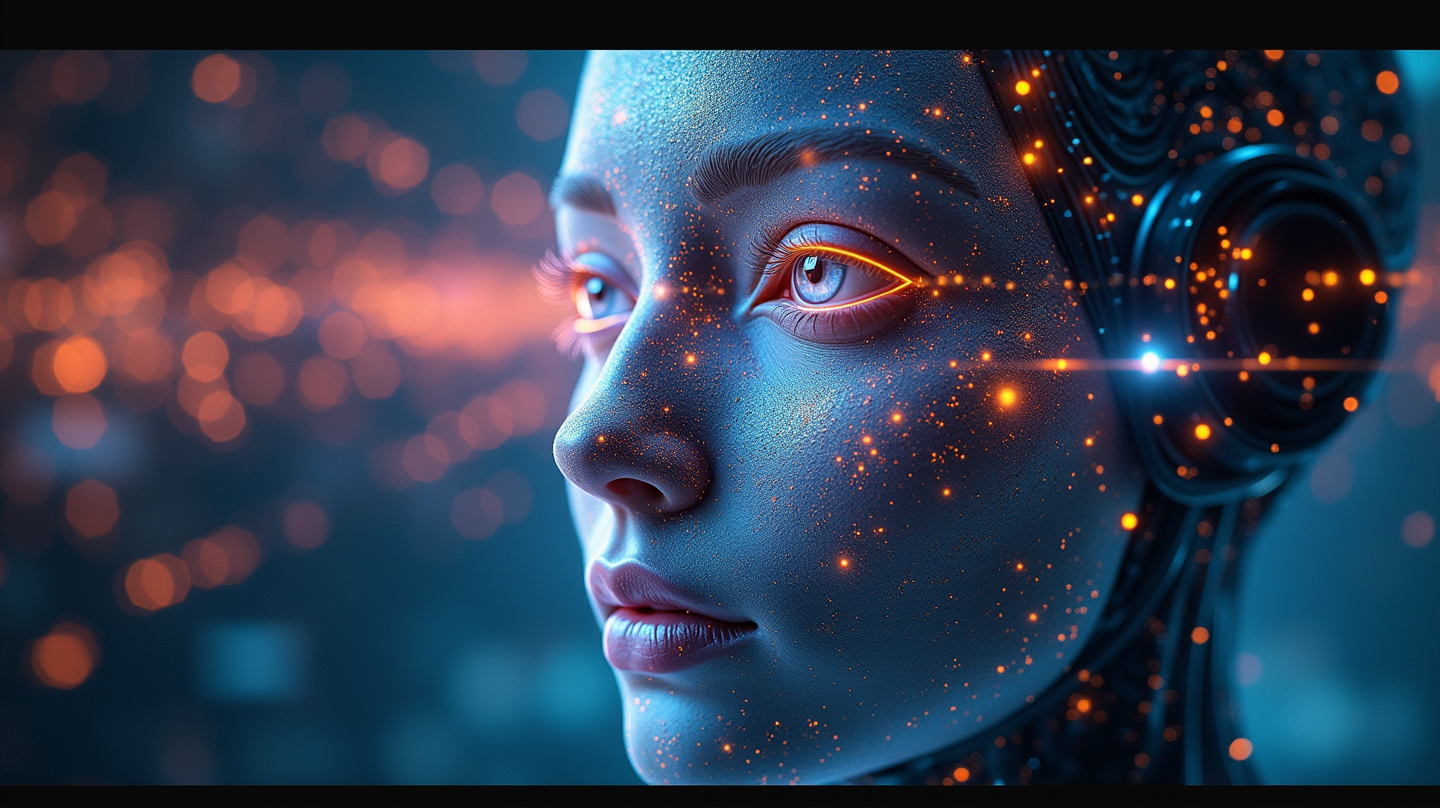
The ai art revolution has instigated an extraordinary transformation in digital creativity, enabling neural networks to forge breathtaking visual compositions through revolutionary computational techniques. These advanced systems transmute textual descriptions into photorealistic imagery within moments, democratizing artistic expression while fundamentally restructuring creative workflows across diverse industries. However, the same technological prowess that facilitates remarkable creative achievements has also generated concerning applications that challenge fundamental principles of digital consent and personal privacy through certain ai art implementations. As these systems continue evolving toward unprecedented sophistication and widespread deployment, comprehending both their transformative creative potential and profound ethical implications becomes crucial for responsible technological stewardship.
Table of Contents
Examining AI Art Technology
Technological Foundation Framework
AI art embodies a revolutionary methodology in visual synthesis where artificial intelligence ecosystems generate images, artwork, and digital compositions through sophisticated computational orchestrations. These platforms harness state-of-the-art generative neural architectures trained on comprehensive datasets encompassing millions of visual specimens paired with detailed descriptive annotations and artistic classifications.
Contemporary ai art systems exhibit exceptional proficiency, interpreting complex creative directives and materializing visually compelling outputs spanning diverse artistic genres, from hyperrealistic photography to abstract expressionist works that demonstrate profound understanding of aesthetic principles and cultural contexts.
Computational Architecture and Operations
The technological infrastructure of ai art employs cutting-edge neural network frameworks including advanced diffusion models, sophisticated generative adversarial networks, and transformer architectures. These systems undergo intensive training procedures, absorbing complex relationships between visual patterns, artistic techniques, compositional elements, and linguistic descriptions through systematic analysis of vast image repositories.
AI art synthesis encompasses multiple processing stages: semantic interpretation analyzes user specifications and creative parameters, pattern recognition algorithms extract relevant visual components from training databases, and generative networks construct original imagery satisfying designated criteria while preserving artistic authenticity and visual coherence.
Modern ai art platforms execute intricate image manipulation operations, modifying existing photographs through selective element adjustment, stylistic transformation, or creative enhancement while maintaining fundamental compositional integrity and recognizable characteristics with remarkable precision.
Professional Deployment and Concerning Applications
Professional ai art implementation has revolutionized creative sectors, empowering concept artists to rapidly prototype innovative visual ideas, enabling graphic designers to explore diverse aesthetic territories, and allowing content creators to generate customized imagery efficiently while reducing production expenditures and development timeframes.
Educational institutions strategically leverage ai art for creating compelling instructional materials, historical visualizations, scientific illustrations, and immersive learning environments that substantially enhance student comprehension and engagement across various academic disciplines and pedagogical approaches.
Marketing professionals utilize ai art for developing targeted advertising campaigns, brand identity elements, social media content, and promotional materials that resonate with specific demographic segments while maintaining consistent visual messaging across multiple platforms.
Unfortunately, identical technological capabilities also facilitate harmful implementations, including specialized tools designed to manipulate personal photographs without explicit authorization, potentially creating inappropriate or compromising content that fundamentally violates individual privacy, dignity, and personal autonomy rights.
Technical Excellence and Ethical Complexities
Technological Achievements and Capabilities
AI art technology showcases extraordinary advancement in artificial intelligence research, demonstrating sophisticated understanding of visual composition, artistic heritage, cultural symbolism, and creative interpretation across diverse artistic movements and contemporary expressions. The democratization impact proves transformative – these tools have eliminated traditional barriers to visual creation, enabling individuals to produce professional-quality artwork independent of formal artistic education.
Computational efficiency characterizes modern ai art systems, generating high-resolution, professionally-crafted imagery within seconds compared to extensive periods required for traditional artistic processes. Technical sophistication manifests through understanding intricate lighting physics, atmospheric dynamics, maintaining stylistic coherence across image sequences, and seamlessly integrating historical artistic traditions with contemporary aesthetic innovations.
Quality enhancement continues progressing exponentially, with ai art systems producing imagery practically indistinguishable from human-created content while incorporating sophisticated artistic techniques demonstrating comprehensive understanding of visual arts fundamentals and creative expression methodologies.
Ethical Dilemmas and Societal Implications
Despite remarkable technological accomplishments, ai art technology presents substantial ethical concerns demanding immediate attention from international policymakers and technology developers. Non-consensual image manipulation constitutes the most problematic application, where existing photographs undergo unauthorized alterations, potentially generating intimate or deceptive content that violates fundamental human dignity.
Gender-targeted applications of certain ai art tools significantly amplify these ethical challenges. Technologies designed specifically to manipulate women’s imagery reflect systematic patterns of digital exploitation and harassment, creating unprecedented opportunities for psychological harm, reputational damage, and personal victimization with potentially devastating consequences.
Information authenticity erosion presents another critical societal challenge as ai art quality achieves exceptional levels. Distinguishing between authentic and artificially generated content becomes increasingly problematic for general audiences, systematically undermining public trust in visual documentation and enabling sophisticated misinformation campaigns.
Privacy violations extend beyond individual consent to encompass broader concerns about data collection practices, training dataset ethics, and the potential for ai art systems to reproduce or exploit personal information without adequate safeguards, creating new vulnerabilities for identity manipulation.
Legal Frameworks and International Governance
Global Regulatory Landscape
Legal approaches addressing controversial ai art applications demonstrate substantial variation across international jurisdictions, reflecting diverse cultural values, legal traditions, and governance philosophies. United States regulation operates predominantly through state-level legislation, with California, Texas, New York, Virginia, and Illinois implementing comprehensive statutes targeting deepfakes and non-consensual intimate imagery.
European Union strategies emphasize robust user protection through GDPR mechanisms and Digital Services Act requirements, establishing definitive platform responsibility standards and comprehensive individual rights concerning ai art content creation, distribution, moderation, and removal procedures with substantial enforcement capabilities.
Asia-Pacific countries including Japan, South Korea, Australia, Singapore, and Taiwan have introduced specialized legislation specifically addressing digitally manipulated intimate content, acknowledging unique challenges presented by advanced ai art technology and establishing significant criminal penalties for malicious applications.
Legal Consequences and Enforcement
Individuals engaging with problematic ai art applications face substantial legal exposure across multiple jurisdictions and regulatory systems. Criminal prosecution becomes increasingly prevalent in regions with applicable legislation, particularly for creating, distributing, or monetizing non-consensual intimate imagery through ai art platforms.
Civil liability presents considerable financial risks, with victims successfully securing significant monetary compensation for emotional trauma, privacy violations, defamation, reputational damage, and psychological distress. Professional consequences frequently accompany legal penalties, with employers, academic institutions, and professional organizations implementing strict policies prohibiting controversial ai art usage.
Safeguarding Human Dignity and Digital Rights
Fundamental Autonomy Principles
AI art development must prioritize essential human dignity and personal autonomy principles constituting the ethical foundation of responsible technological innovation. Every individual deserves complete control over their digital representation, including absolute authority over how their appearance, identity, and personal characteristics are depicted in generated or manipulated imagery.
Explicit informed consent becomes critically essential when ai art involves personal imagery, recognizable likeness, or identifiable characteristics. Creating modified, intimate, or manipulated content requires clear, documented authorization rather than presumed or implied permission from affected individuals.
Building Comprehensive Protection Systems
Addressing ai art challenges requires coordinated multi-stakeholder approaches effectively balancing technological innovation with robust human rights protection. Technical safeguards integrated into generation systems provide essential protection, including advanced detection algorithms, content verification protocols, and embedded ethical constraints preventing harmful applications.
Platform accountability measures must prevent misuse while supporting legitimate creative applications of ai art technology, requiring sophisticated content moderation, transparent policy enforcement, and productive collaboration with law enforcement agencies when violations occur.
Educational initiatives promoting comprehensive digital literacy ensure users understand both extraordinary creative potential and serious implications of ai art systems, including legal vulnerabilities, ethical responsibilities, and potential consequences affecting individuals and communities.
Responsible Innovation Future
The evolutionary pathway of ai art technology fundamentally depends on collective dedication to balancing transformative creative capabilities with unwavering respect for human rights, dignity, and consent. Technological progress must harmonize with social responsibility, ensuring these powerful creative tools enhance human expression while protecting individual autonomy in digital environments.
Success demands sustained collaboration between diverse stakeholders including technologists, policymakers, educators, and civil society organizations to establish appropriate boundaries and protective frameworks that preserve both innovation potential and fundamental human rights.





