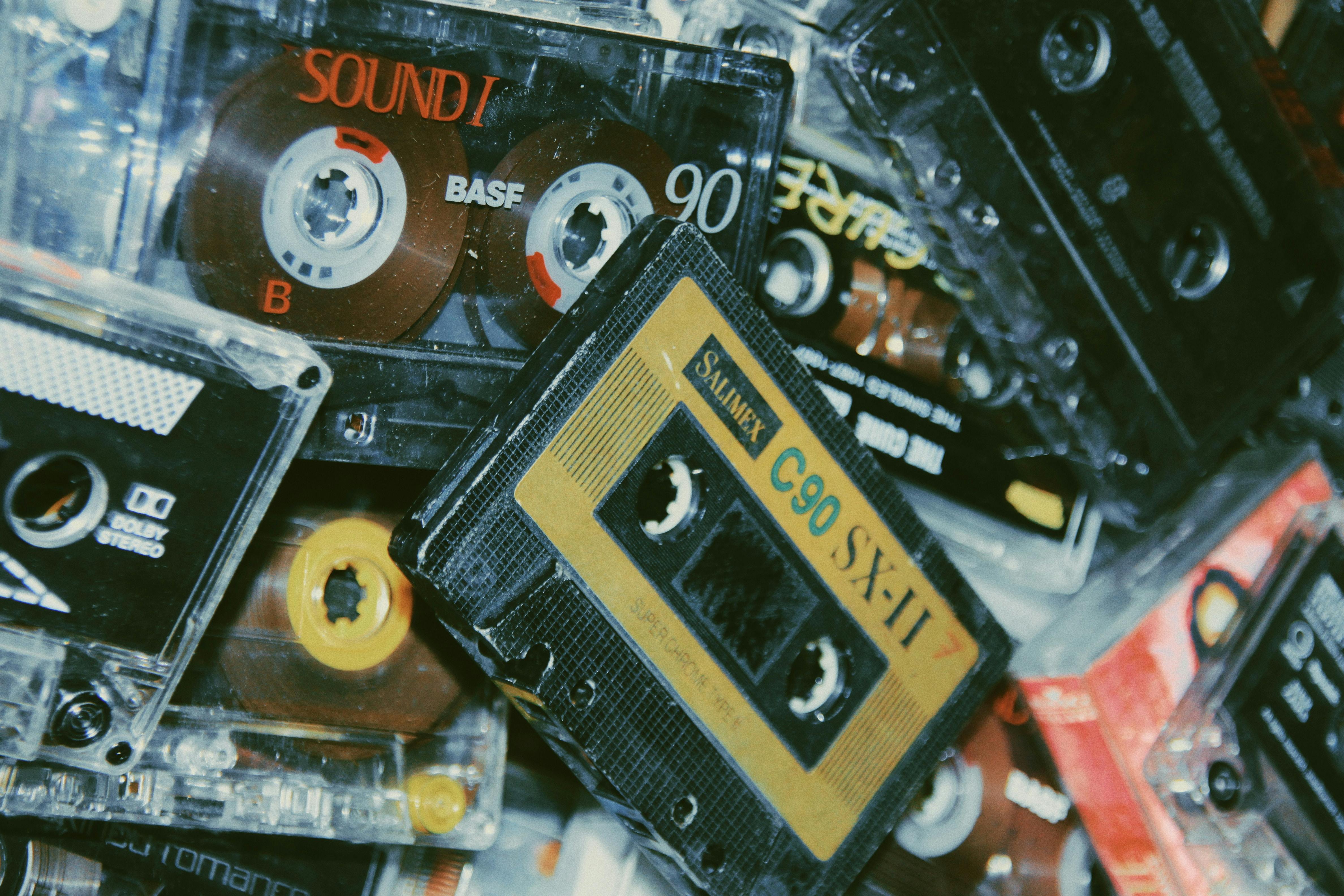
Remember the sound of dial-up internet? Or the smell of a freshly cracked plastic CD case? Maybe it’s the feel of pressing a Game Boy button after years, or hearing the opening riff of a song you haven’t thought about since you were thirteen. That’s nostalgia working its magic.
But nostalgia isn’t just a fleeting feeling anymore—it’s a movement. A business. A cultural echo chamber that keeps growing louder. From fashion trends to video games, vinyl records to VHS filters on TikTok, people aren’t just reminiscing—they’re curating entire lifestyles based on memories.
Why does this keep happening? Why does nostalgia feel good enough to buy into?
Table of Contents
The Emotional Currency of the Past
Nostalgia isn’t just a vibe—it’s a survival mechanism. In times of uncertainty, people tend to reach backward. It gives them a sense of safety, simplicity, and grounding. That’s why the ’90s came back with a vengeance during the 2020s. It’s not just about low-rise jeans (which, let’s be honest, were a mistake) or chokers—it’s about comfort.
Remembering better times—even if they were a little awkward or messy—soothes the chaos of today. It’s like hugging your old stuffed toy. You know it’s worn down, maybe missing an eye, but it still brings peace.
How Nostalgia Became a Business Model
Companies know this, of course. That’s why almost every reboot, remix, or revival you see on screen is banking on your childhood. Streaming platforms are full of old cartoons reanimated with slick graphics. Film studios reintroduce familiar characters with every passing season. Even commercials are pulling out vintage jingles like they’re secret weapons.
It’s smart marketing. People don’t just buy products—they buy feelings. That’s why older designs, retro color schemes, and pixel graphics are suddenly modern again. Brands are selling you a time machine, not just a hoodie or a game.
Take online entertainment, for instance. Even slot sites have caught on. Many of them now feature retro-styled games or themes inspired by pop culture icons from decades past. The click of spinning reels mixed with 8-bit soundtracks scratches a very specific itch in people who grew up in the golden era of arcade games.
Nostalgia in the Age of TikTok
The younger generation is no stranger to this, either. Gen Z is now romanticizing the 2000s—ironically, a time they barely remember. Y2K fashion is back. Early internet aesthetics are being mimicked with lo-fi filters. The same teens who never owned a flip phone are now hunting them down on eBay.
Even more fascinating? This wave of nostalgia is starting earlier. It used to be that people in their 30s or 40s drove retro trends. Now, 19-year-olds are longing for the early 2010s. We’re nostalgic… for our own nostalgia.
It’s meta. It’s weird. And it’s powerful.
Digital Collecting and the Memory Economy
Memory used to be physical. A shoebox of concert tickets. A stack of burnt CDs. A bedroom shelf filled with magazine clippings. Now, memory is digital. Instagram archives. YouTube playlists. Even online marketplaces where people trade rare skins or digital pets have become nostalgia-driven.
What’s interesting is that digital nostalgia can be even stronger, because it’s always with us. Your Spotify Wrapped isn’t just music stats—it’s a portal into who you were last year. A saved Facebook album from 2014 might show you your first love, your awkward bangs, and a version of you that feels far away and familiar all at once.
We’re collecting versions of ourselves—and curating them, too.
Minimalism and the Nostalgia Clash
There’s a tension here, though. The rise of minimalism tells us to declutter, to simplify, to live with less. But nostalgia says, “Hey, remember this? Keep it. It matters.” So, what do we do when emotional clutter starts to take up space?
Some people solve this by going digital—scanning their old photos, uploading their music, making memory boxes on Google Drive. Others lean in and start collecting again—vinyl, film cameras, old handheld consoles. There’s no right way to do it, but there is one common thread: nostalgia isn’t leaving anytime soon.
How Nostalgia Shapes the Future
What’s wild is how much nostalgia is shaping the future. It’s not just about looking back—it’s influencing what comes next.
Designers are blending vintage aesthetics with modern tech. Think Polaroid cameras with Bluetooth. Think classic RPGs with VR interfaces. Nostalgia is the launchpad for innovation. It’s the paintbrush dipped in the past that’s sketching tomorrow.
Even workspaces are catching on. Offices now include retro arcade machines for breaks. Music playlists loop in throwbacks from three decades. And younger workers find comfort in physical planners and pastel stationery reminiscent of their school days. It’s all part of building a future that feels like home—even if it’s brand new.
Final Thoughts: Why Nostalgia Isn’t a Bad Thing
Some people roll their eyes at nostalgia, calling it escapism. And sure, maybe it is. But isn’t it also human?
Isn’t there something deeply beautiful about treasuring old moments, holding onto music that moved you, or replaying a video game level you mastered at twelve?
In a world that moves fast, nostalgia lets us slow down—if only for a second. It lets us revisit who we were, understand who we are, and decide what we want to carry forward.
So, whether it’s a vintage hoodie, an old-school playlist, or a few spins on retro-inspired slot sites, don’t feel guilty about leaning into the past.
Sometimes, the best way to move forward… is to look back.