

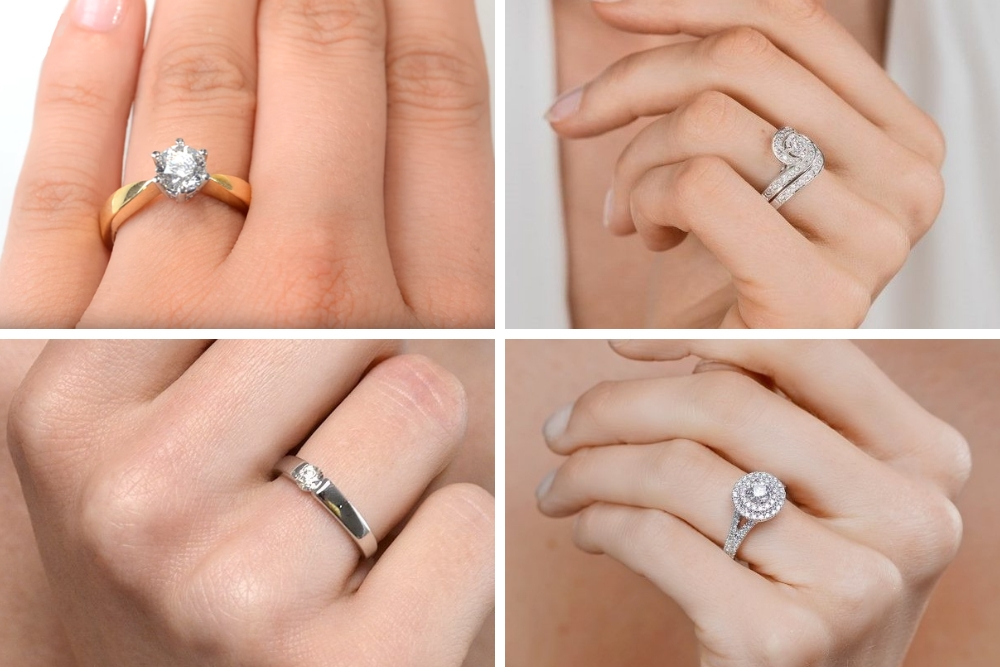
When selecting the perfect engagement ring, choosing a lab grown diamond is an eco-friendly and ethical decision. However, equally important is selecting the right setting for your stone, and one of the most crucial elements is the claws (or prongs) that hold the diamond securely in place. The claws of a lab grown diamond ring can influence its appearance, durability, and overall aesthetic. In this article, we’ll explore the various options for claws and how to choose the best one for your lab grown diamond ring.
Table of Contents
Why Claws Matter for Lab Grown Diamond Rings
The claws in lab grown diamond rings claws serve both functional and aesthetic purposes. They are designed to secure the diamond to the ring’s band, ensuring that the stone remains firmly in place. Additionally, the claws play a role in how much of the diamond is visible and how light interacts with the stone. When choosing claws for lab grown diamond rings, it’s essential to consider how they will complement and protect your diamond, as well as the overall design of the ring.
Four-Claw Setting: Classic and Secure
One of the most common choices for lab grown diamond rings is the four-claw setting, which features four evenly spaced prongs that hold the diamond in place. This setting allows maximum visibility of the stone while still providing strong security. For those who want a balance between elegance and durability, the four-claw setting is an excellent option. One of the key benefits of this style is that it showcases more of the lab grown diamond, allowing it to shine brightly while still being securely fastened.
Six-Claw Setting: Added Security for Larger Stones
For larger stones, a six-claw setting is often recommended for lab grown diamond rings. This setting provides added security by distributing the pressure evenly across the diamond’s surface, reducing the risk of it becoming loose or damaged. The six claws still allow plenty of light to pass through the stone, ensuring it sparkles beautifully. When choosing claws for lab grown diamond rings with a significant carat weight, opting for six claws can provide peace of mind while maintaining a delicate appearance.
V-Claw Setting: Protection for Fancy Shapes
For lab grown diamond rings with fancy shapes like pear, marquise, or heart-shaped diamonds, the V-claw setting is a popular choice. These claws are specifically designed to protect the pointed edges of the diamond, which are more vulnerable to chipping. The V-shape encases the sharp corners while allowing the rest of the diamond to remain exposed and radiant. When selecting claws for lab grown diamond rings with unique shapes, the V-claw is an excellent option for providing both protection and style.
Double Claws: A Vintage-Inspired Look
For those who want a more vintage-inspired look, double claws can be a stylish choice for lab grown diamond rings. This setting features two prongs on each corner of the diamond, creating a more intricate and decorative appearance. Double claws offer increased security while also giving the ring a distinctive, elegant feel. When choosing claws for lab grown diamond rings, double claws can add a touch of sophistication and timeless beauty, particularly for those who appreciate intricate design.
Hidden Claws: A Minimalist Approach
If you prefer a minimalist aesthetic for your lab grown diamond ring, hidden claws might be the ideal option. These claws are small and discreet, often tucked under the diamond to create a floating effect. The hidden claws hold the diamond securely without drawing attention away from the stone itself. When choosing claws for lab grown diamond rings, hidden claws are perfect for those who want the focus to remain entirely on the diamond, allowing it to take center stage with minimal metal visible.
Bezel Setting: An Alternative to Traditional Claws
Although not technically a claw, the bezel setting is worth mentioning as an alternative to traditional prongs for lab grown diamond rings. In a bezel setting, a thin metal rim surrounds the diamond, holding it securely in place. This setting offers excellent protection for the diamond, especially for those with active lifestyles. When considering claws for lab grown diamond rings, the bezel setting provides a modern and sleek option that keeps the diamond safe while offering a unique look.
Claw Metal: Platinum vs. Gold for Lab Grown Diamond Rings
The choice of metal for the claws in lab grown diamond rings can impact both the durability and appearance of the ring. Platinum is a popular choice due to its strength and resistance to wear, making it an ideal option for securing lab grown diamonds. On the other hand, gold claws (whether white, yellow, or rose gold) offer a warm and luxurious finish. When choosing claws for lab grown diamond rings, consider the metal that complements both the diamond and your personal style. Platinum claws are often recommended for their durability, especially for everyday wear, while gold can add a touch of classic elegance.
Balancing Function and Aesthetic
When choosing claws for lab grown diamond rings, it’s important to balance functionality and aesthetics. The claws should be strong enough to hold the diamond securely without overshadowing its beauty. Thin claws offer a more delicate look but may require more maintenance, while thicker claws provide enhanced security but can be more prominent. It’s essential to find the right balance that suits both your style and the practical needs of your ring.
Conclusion
In conclusion, the claws of a lab grown diamond ring play a crucial role in both protecting the stone and enhancing its beauty. From classic four-claw settings to protective V-claws, there are a variety of options to suit different diamond shapes, sizes, and styles. By carefully considering the type of claws that best complement your lab grown diamond, you can create a ring that is not only stunning but also secure and durable. Whether you prefer a minimalist approach or a more intricate design, choosing the right claws will ensure your lab grown diamond ring shines for years to come.





