
Finance & Insurance
predatory lenders get their negative reputation from . . .
Predatory Lenders Get Their Negative Reputation From Their Unfair Practices


Have you ever wondered why some people and news stories talk about “predatory lenders” with such concern? Predatory lenders get their negative reputation from . . . the ways they take advantage of people who need money quickly or have few other options for borrowing.
Table of Contents
What Makes These Lenders Different?
Think of lending money like lending a toy to a friend. A good friend would simply want the toy back later. But imagine if that friend demanded you give them five toys in return for borrowing just one! That’s similar to how predatory lenders operate – they make borrowing money much more expensive and complicated than it needs to be.
The Tricks They Use
These lenders use several tricks that harm borrowers. First, they charge super high interest rates – sometimes more than 100 times what a regular bank would charge! For example, if you borrowed $100 from a regular bank, you might need to pay back $105. But with a predatory lender, you could end up owing $500 or more.
They also use confusing language in their paperwork. Imagine reading a book where all the important parts are written in tiny letters using big words you don’t understand. That’s what their contracts often look like, hiding important information about fees and payments.
Who They Target
Predatory lenders get their negative reputation from . . . targeting specific groups of people who might be having a tough time. They often focus on:
- People who need money for emergencies
- Families who have trouble paying their bills
- Students who need help with school expenses
- Elderly people living on fixed incomes
- People who don’t qualify for regular bank loans
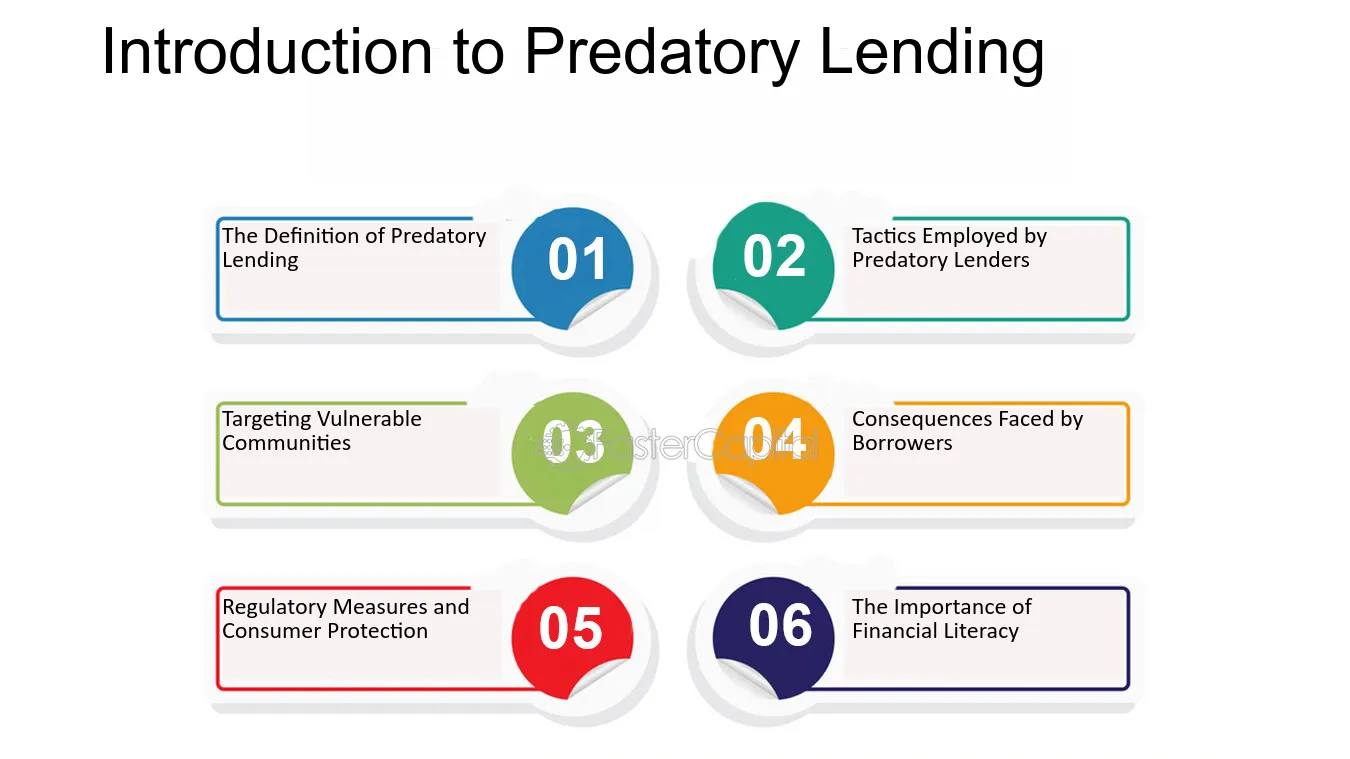
The Financial Traps They Set
These lenders are like spider webs – easy to get into but very hard to escape from. They set up financial traps such as:
Balloon Payments
Imagine making small payments for months, thinking you’re doing well, only to find out you owe a huge payment at the end! That’s a balloon payment, and it can be shocking for borrowers.
Loan Flipping
When borrowers can’t pay, these lenders offer to “help” by giving them a new, bigger loan to pay off the old one. This is like using one hole to cover up another – it just makes the problem bigger.
Hidden Fees
They add extra charges for everything: late payments, early payments, paperwork, and more. These fees can make the loan much more expensive than it first appeared.
How to Stay Safe
Understanding why predatory lenders get their negative reputation from their harmful practices helps us know how to avoid them. Here are some safer ways to handle money problems:
Talk to Trusted Adults
Parents, teachers, or financial advisors can help explain confusing money matters and suggest better options.
Look for Warning Signs
Be careful of lenders who:
- Promise “instant approval” without checking if you can repay
- Pressure you to decide quickly
- Won’t clearly explain all costs
- Make promises that sound too good to be true
Know Your Options
Regular banks, credit unions, and legitimate lending companies offer fair loans with clear terms. They want to help borrowers succeed, not trap them in debt.
Why This Matters
Understanding predatory lending is important because it affects entire communities. When people fall into these financial traps, they have less money to spend at local businesses, might lose their homes, and often need help from others to recover.
Making Smart Choices
Knowledge is power when it comes to avoiding predatory lenders. By understanding how they work and why they’re harmful, you can make better decisions about money – both now and in the future. Remember, if a loan offer seems too easy or too good to be true, it probably is.
The next time you hear about predatory lending, you’ll understand why these practices cause so much concern and how to protect yourself and others from falling into their traps. By making smart choices and seeking help when needed, you can build a stronger financial future without falling prey to unfair lending practices.
How to Protect Yourself From Predatory Lenders
Predatory lending refers to unethical practices by lenders that exploit borrowers through high fees, hidden terms, and unfair conditions. These practices often target individuals with limited financial knowledge or poor credit. Protecting yourself from such lenders is essential to safeguarding your financial well-being.
1. Understand Predatory Lending Practices
Before dealing with lenders, familiarize yourself with common predatory practices. These may include:
- High-interest rates and fees: Charging rates much higher than market standards.
- Hidden terms: Including clauses that are not clearly disclosed upfront.
- Pressure tactics: Forcing borrowers to sign agreements quickly without full understanding.
- Loan flipping: Encouraging repeated refinancing of loans to trap borrowers in debt cycles.
2. Research and Compare Lenders
Take the time to research multiple lenders. Legitimate lenders provide clear terms and conditions without hidden fees. Compare offers, including interest rates, repayment terms, and penalties, to find the most favorable option. Look for reviews and testimonials online to ensure the lender’s credibility.
3. Read the Fine Print
Carefully review all loan documents before signing. Ensure you understand every term, especially:
- Annual Percentage Rate (APR): This reflects the true cost of the loan, including fees.
- Repayment terms: Confirm the payment schedule and amounts.
- Prepayment penalties: Some loans charge fees if you pay off the debt early.
If anything seems unclear, seek clarification or consult a financial advisor.
4. Know Your Rights
Educate yourself on consumer protection laws in your area. Many jurisdictions have regulations against predatory lending practices. If you feel a lender is acting unlawfully, report them to the appropriate regulatory authority.
5. Avoid “Too Good to Be True” Offers
Be cautious of loans that promise instant approval, no credit checks, or extremely low initial payments. These offers often come with hidden traps that could lead to financial hardship.
6. Seek Trusted Advice
Before taking out a loan, consult with trusted financial advisors, friends, or family members. They may provide valuable insights and help you avoid questionable lenders.
7. Build Your Financial Knowledge
The more you know about borrowing and lending, the better equipped you’ll be to avoid predatory practices. Take time to learn about personal finance, credit management, and loan options available to you.
By staying vigilant and informed, you can protect yourself from predatory lenders and make financial decisions that support your long-term goals.





