

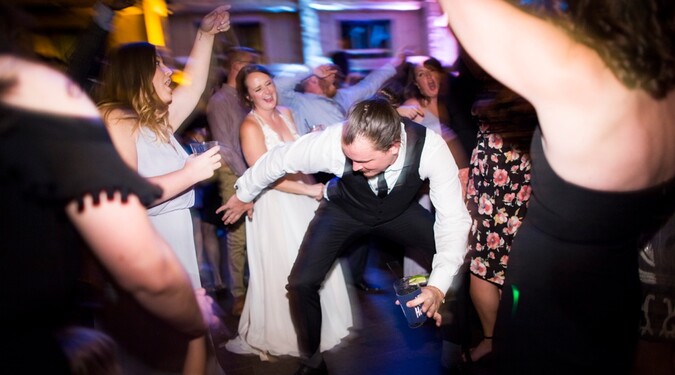
Honestly, when I first started paying attention to how events actually feel—not just how they look in photos—I realised something most people don’t talk about enough. Music isn’t background noise. It’s the spine of the whole experience. Strip it away or get it wrong, and even the most beautiful venue can feel oddly flat. Get it right, though, and people stay longer, laugh louder, and remember the night years later.
I’ve been writing about lifestyle, events, and digital culture in Australia for a long time now, and if there’s one thing that consistently surprises me, it’s how underestimated professional DJs still are. People think playlists are enough. Or that “anyone with speakers” can run the sound. Well… not quite. There’s a world of difference between pressing play and actually reading a room.
Table of Contents
The quiet power behind a great event
You might not know this, but most successful events share one invisible trait: momentum. Not hype. Not volume. Momentum. It’s that feeling where the night moves forward naturally, where there’s no awkward lull, no sudden drop in energy, no moment where guests check their phones and wonder what’s next.
That momentum almost always comes from the person controlling the music.
A professional DJ doesn’t just select songs. They manage energy curves. They watch body language. They know when to pull things back and when to push forward. And no, that doesn’t mean blasting bangers all night. Sometimes the smartest move is restraint.
I’ve been to weddings where the DJ turned a shy, polite crowd into a dance floor full of uncles doing things no one expected. I’ve also attended corporate events where subtle background beats somehow made networking feel less forced. Same principle. Different execution.
Why Australians, especially, notice the difference
Living and working in Australia gives you a front-row seat to a unique event culture. We’re relaxed, sure, but we’re also picky. We want things to feel effortless, not overproduced. When something feels try-hard, people sense it immediately.
That’s why local expertise matters so much here.
A DJ who understands Australian crowds knows how to balance international hits with local favourites. They know that the vibe at a beachside Byron Bay wedding is worlds apart from a formal Melbourne corporate gala. And they understand that volume, pacing, and tone need to match the setting—not fight it.
I’ve seen overseas-style “cookie cutter” DJ approaches fall completely flat here. Too loud too early. Too rigid. No room to breathe. Meanwhile, DJs who actually live in the scene, attend local events, and understand regional tastes tend to nail it without making a fuss.
It’s not just about music anymore
One thing I didn’t fully appreciate until recently is how much responsibility modern DJs carry beyond the playlist. They’re often managing lighting, microphones, transitions, and sometimes even calming down stressed hosts behind the scenes.
At weddings, they act like unofficial coordinators. At brand events, they help shape how a company feels, not just how it sounds. At private parties, they’re mood managers, adjusting the night based on how people respond in real time.
That level of awareness doesn’t come from gear alone. It comes from experience. From hundreds of events that didn’t go exactly as planned—and learning how to adapt on the fly.
This is where professional services quietly separate themselves from “a mate with speakers.” The difference isn’t obvious until something goes wrong. Then it becomes very obvious.
A natural recommendation, not a sales pitch
I’m careful about what I recommend publicly. Readers can smell forced promotions a mile away, and honestly, I don’t blame them. But every now and then, a service fits so cleanly into a conversation that it would feel strange not to mention it.
If you’re exploring professional DJ services in Australia—whether for a wedding, corporate function, or private celebration—it’s worth having a look at https://www.greatimedj.com/. Not because of flashy promises, but because their approach aligns with everything I’ve talked about here: adaptability, crowd awareness, and a genuinely local understanding of events.
It’s the kind of resource you bookmark, not because you’re buying something immediately, but because you know future-you will be grateful it’s there.
The emotional side people don’t talk about
Here’s something a bit more personal. I once spoke to a couple weeks after their wedding, and they told me they remembered almost nothing about the food. The flowers? Vague. But the moment everyone flooded the dance floor? Crystal clear.
That stuck with me.
Music anchors memory. Certain songs instantly transport you back to specific nights, specific people, specific feelings. A skilled DJ understands that emotional weight, even if they don’t talk about it out loud.
They know when a song means more than a beat.
They know when silence is better than sound.
They know when to let a moment land.
Those instincts don’t show up on a price list, but they’re often what people remember most.
Choosing with intention, not urgency
If you’re planning an event right now, it’s tempting to rush decisions. Book the venue. Lock the caterer. Tick boxes. Music sometimes gets pushed down the list, which is ironic considering how much it shapes the experience.
My advice? Slow down just a little.
Ask DJs how they read a crowd.
Ask how they handle unexpected changes.
Ask about events similar to yours—not just their best ones, but the challenging ones.
The answers will tell you more than any promotional video ever could.
A final thought, before you scroll on
We live in a time where experiences matter more than things. People remember how events made them feel long after the details blur. Music is central to that feeling, whether we acknowledge it or not.
So if you take one thing away from this, let it be this: don’t treat music as an accessory. Treat it as architecture. The framework everything else rests on.
And when you find professionals who understand that—who treat your event with care rather than routine—you’re not just booking a service. You’re investing in a memory that people will carry with them, often without realising why.


