

Have you ever heard a word that makes you curious and excited to learn more? Anheihe is exactly that kind of word. It is mysterious yet welcoming. In some places, people say it is a yummy dish made with local meats, vegetables, and spices. In other places, it’s a legend—a lost mountain village hidden away from time. And in still other stories, anheihe is a feeling, an idea about balance, peace, and creative discovery.
This article will take you on a friendly, easy trip through three ideas about this special word: anheihe as a dish, as a mythical village, and as an idea that you can shape with your own meaning.
Anheihe as a Savory Dish
Long ago, in small farming communities, people needed strong and tasty meals that used what they had. Some writers describe anheihe as a hearty dish that grew out of these needs. It mixes meats, vegetables, and local spices all cooked together to make a rich and flavorful meal. One Medium article calls it “a savory dish typically made from a blend of locally sourced ingredients, including meats, vegetables, and aromatic spices.”
This dish had roots in old traditions. Families would share it at special times—like festivals, harvests, or big gatherings. Over time, anheihe went from humble beginnings to something people looked forward to at celebrations. The recipe has changed a little here and there with modern tastes, but the basic idea remains the same—a warm, filling meal that brings people together.
Anheihe as a Mythical Mountain Village
Another big idea is that anheihe is not food at all, but a legendary place. On some websites, anheihe is called “a mythical mountain village lost in the sands of time.”
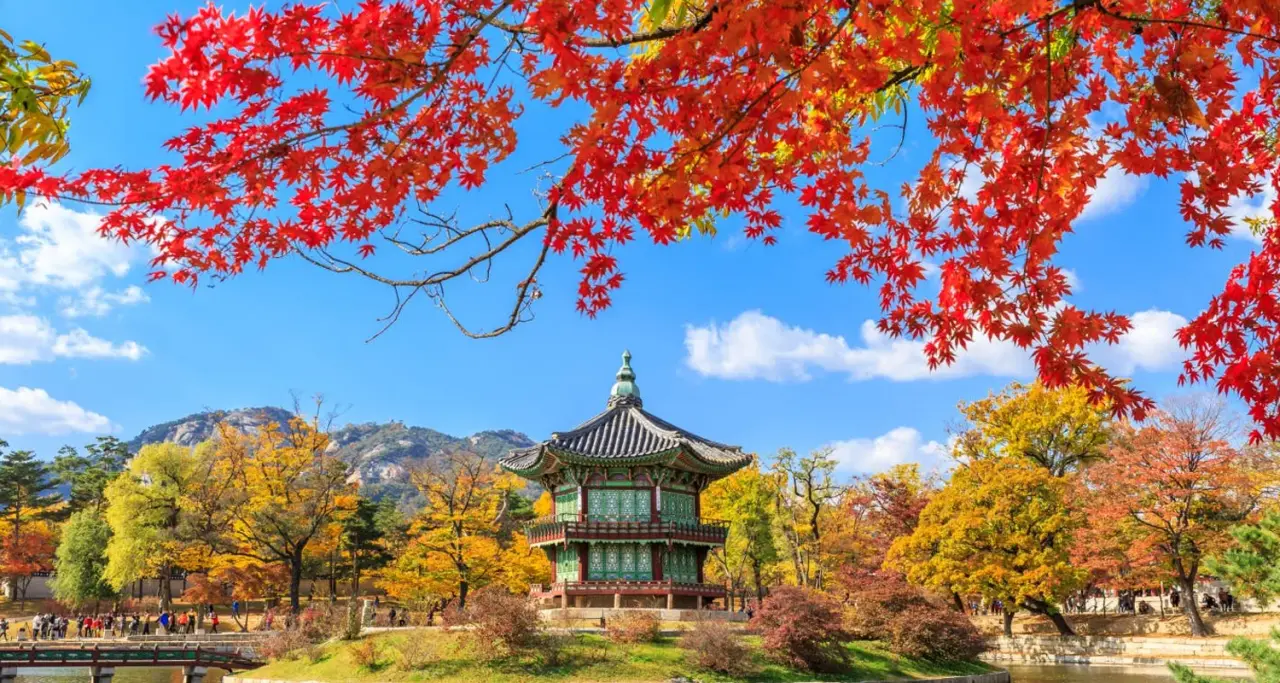
Imagine a sleepy village hidden in tall mountains that time forgot. In stories, this village is full of calm, wise people, or makers of art, music, and culture. It feels like a fantasy—something halfway between a dream and a memory. Even though no one can show you a map of this place, anheihe gives you a sense of peace and mystery. It lets your mind wander to a hidden world that you can almost see but never quite touch.
This version of anheihe reminds us that not all treasures are gold or silver. Sometimes, the most valuable things are stories, legends, and the spark of imagination that keeps us wondering and dreaming.
Anheihe as a Concept: Harmony and Discovery
Finally, anheihe can also be an idea or a mood. According to a creative article on Mating Press, anheihe doesn’t have one set meaning. It’s “an ambiguous term with no widely recognized definition.”
Because of this, anheihe can mean anything you imagine it to be. Some see it as harmony—“an” giving a quiet calm, and “heihe” suggesting a gentle rhythm or flow. Others treat it like an inspiring word—for art, personal growth, or creative exploration. It’s a blank canvas that invites you to fill it with your own ideas.
This part of anheihe shows why some words are powerful not because they tell you exactly what to think, but because they let you think freely. Anheihe becomes a tool, an invitation to explore, imagine, and create.
Why All These Meanings Matter
So why do these different ideas of anheihe matter? Here’s what each one gives us:
-
As a dish, anheihe reminds us of the joy of sharing good food with friends and family. It represents tradition, comfort, and community.
-
As a mythical village, it gives us a place to wonder—a peaceful world hidden from time. It reminds us how stories can fill our hearts, even if they’re not real.
-
As a concept, anheihe encourages creativity. It asks: What do you want “anheihe” to feel like? What story could you make from it?
Each version gives us a different kind of value. The dish nourishes us, the myth inspires us, and the idea frees us.
How to Use Anheihe in Your Life
If you like words and stories, you can bring anheihe into your own life in fun ways:
-
Cook a make-believe “anheihe”: Mix your favorite ingredients—maybe vegetables, herbs, meat or tofu—and call it your own version of anheihe. Share it with family and tell them the story behind the name.
-
Write a short story about the lost mountain village called anheihe. Who lives there? What secrets do they hold? Is it peaceful or full of mystery?
-
Give it a meaning for yourself: Does anheihe mean peace? Balance? Creative spark? Write it down in a journal and see how it grows over time.
When you take a word that’s open-ended like anheihe, you get to decide what it means to you. That is a kind of magic.
Conclusion: The Many Faces of Anheihe
Here’s what we’ve discovered:
-
Anheihe might be a savory, hearty dish from old regional traditions.
-
It could be a mythical mountain village, full of art, calm, and legend.
-
Or, anheihe can be an idea—open-ended, inspiring, flexible—with no fixed definition.
In all these ways, anheihe shows how a word can carry culture, imagination, and meaning. It teaches us that language is alive—not just a code, but a bridge to stories, feelings, and personal discovery.
So the next time you hear anheihe, ask yourself: Do I taste something delicious? See a hidden village? Feel inspired? Let anheihe be whatever you want it to be, and enjoy the journey it brings.


