

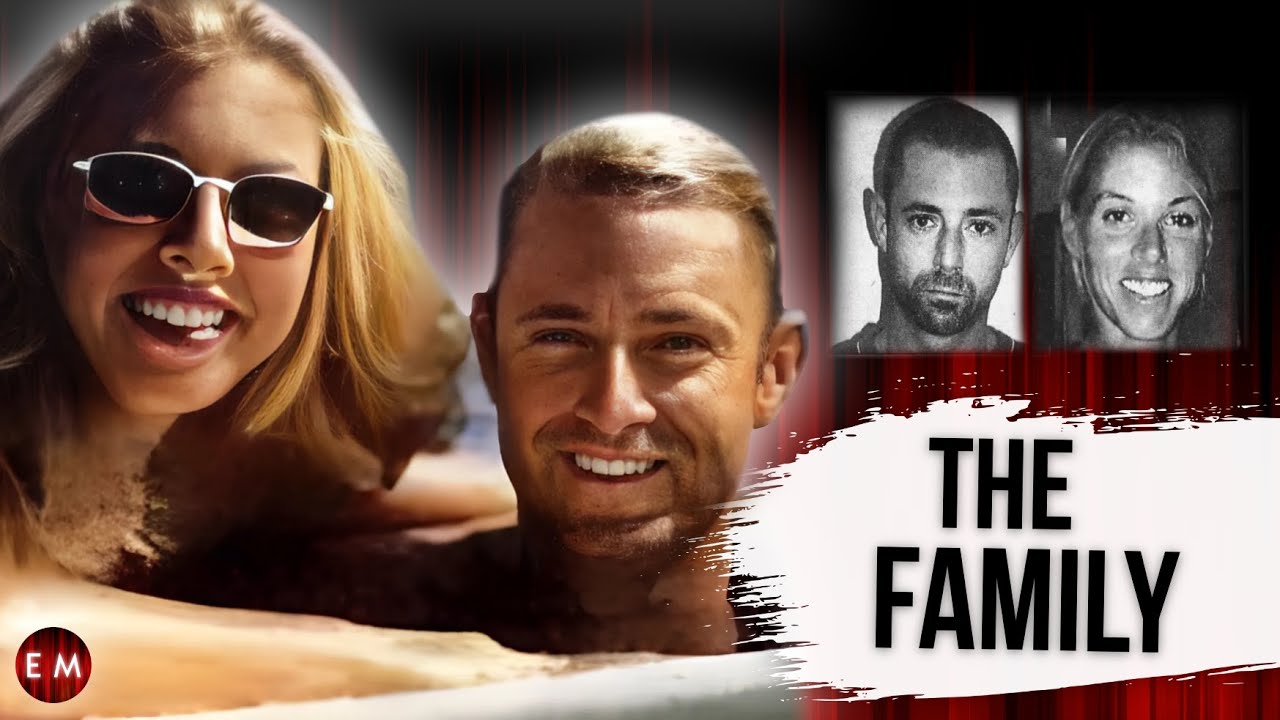
In the early morning hours of March 28, 2005, a five-year-old girl named Tia Hernlen made a 911 call that would forever change her life and capture the nation’s attention. With remarkable composure for such a young child, Tia Hernlen calmly reported finding her parents shot and bleeding in their New Smyrna Beach, Florida home. This heartbreaking case highlights not only the resilience of a young child facing unimaginable trauma but also raises important questions about domestic violence, restraining orders, and child protection.
The story of Tia Hernlen serves as a stark reminder of how quickly lives can be shattered and how even the youngest victims must sometimes find extraordinary strength in their darkest moments. Her brave actions that night likely saved precious time for emergency responders, though tragically, it would not be enough to save her parents.
The Tragic Night That Changed Tia Hernlen’s Life
The Fatal Attack
On March 28, 2005, Tia Hernlen was awakened by the sound of gunshots in her family’s home on Ellison Avenue in New Smyrna Beach, Florida. The five-year-old discovered her parents, Julie Morgan-Hernlen, 31, and Aeneas Hernlen, 29, shot and severely wounded in their bedroom.
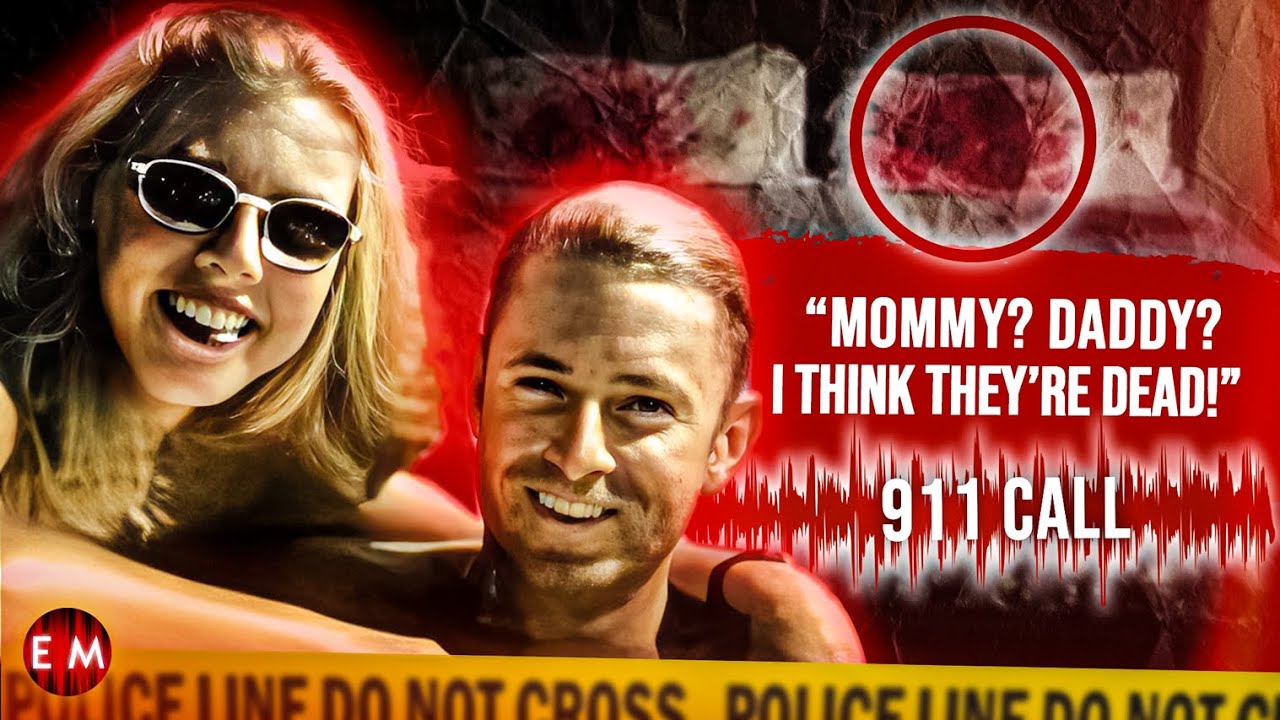
At 2:58 a.m., Tia made the call that would be remembered nationwide, telling the 911 dispatcher: “I think they’re dead.” The dispatcher, Donna Choufani, worked to keep the frightened child calm while emergency services rushed to the scene.
During the call, Tia Hernlen displayed remarkable composure, describing the scene to the operator: “There is blood on the plant and blood on the floor.” Her ability to communicate clearly despite the traumatic situation she witnessed was both heartbreaking and extraordinary.
The Perpetrator and Motive
The attack was carried out by David Edward Johnson, a Volusia County man who wrongly believed the couple had reported him for growing marijuana and possessing steroids. Johnson mistakenly thought the Hernlens had turned him in for drug possession, leading to his arrest.
The couple had actually tried to get a court-ordered injunction to keep Johnson away from their family, indicating they were aware of the potential threat he posed. This detail makes the tragedy even more poignant, as it shows the parents had taken steps to protect their family but were still unable to prevent the attack.
Johnson died by suicide shortly after the attack, meaning he would never face trial for his crimes.
The Immediate Aftermath and Community Response
Medical Treatment and Loss
While Julie Morgan-Hernlen died at the scene, Aeneas Hernlen initially survived and was taken to a Daytona Beach hospital, where he died on Tuesday night, making five-year-old Tia an orphan.
The loss of both parents within days of each other left Tia Hernlen completely dependent on extended family and community support during the most vulnerable time in her young life.
Community Support and Trust Fund
The tragedy touched hearts across the nation, leading to an outpouring of support for the orphaned child. A trust fund was established for Tia Hernlen, with family friends reporting that she was doing well while staying with her grandparents in Central Florida.
The community rallied around Tia by creating a trust fund to help secure her future, demonstrating how collective compassion can provide hope even in the darkest circumstances.
Local businesses, community members, and people from across the country contributed to ensure that Tia Hernlen would have financial support as she grew up without her parents.
Legal Implications and Systemic Issues
The Restraining Order That Failed
One of the most troubling aspects of the Tia Hernlen case was the failure of the legal system to adequately protect the family. Judge Graham, who had been involved in the case, later expressed regret about his decisions, telling CBS News: “Looking back on it, I would have liked to have done it differently.”
This admission highlights a critical issue in domestic violence and harassment cases: the difficulty of predicting when threatening behavior will escalate to violence and the limitations of restraining orders in preventing determined perpetrators from causing harm.
Civil Legal Action
Following the tragedy, a lawsuit was filed on behalf of Tia against the estate of David Johnson for emotional distress, mental anguish, and the loss of her parents. This legal action sought to provide some form of financial compensation for the unimaginable losses the young girl had suffered.
While no amount of money could restore her parents or undo the trauma, the lawsuit represented an attempt to hold the perpetrator’s estate accountable and secure additional resources for Tia Hernlen’s future care and support.
The Lasting Impact and Lessons Learned
Child Trauma and Resilience
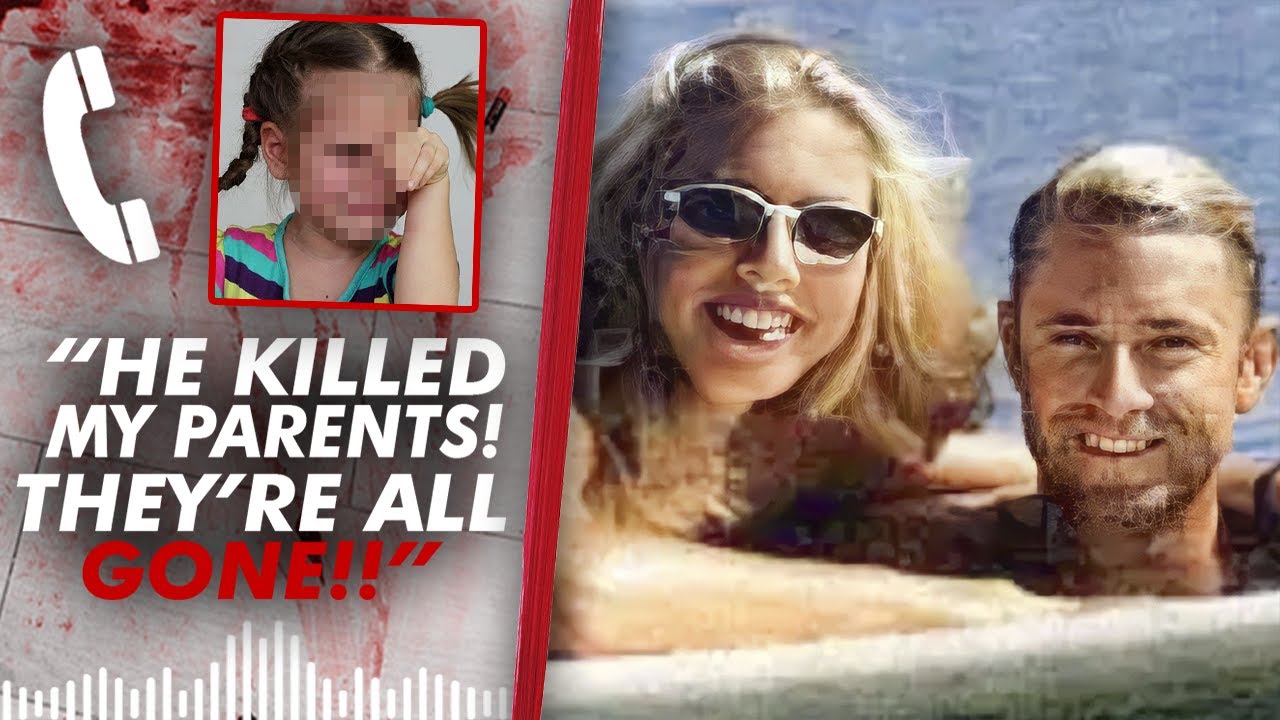
The case of Tia Hernlen demonstrates both the devastating impact of violence on children and their remarkable capacity for resilience. Her calm demeanor during the 911 call, while heartbreaking, likely contributed to a more effective emergency response.
Mental health professionals emphasize that children who experience such trauma require extensive, long-term support to process their experiences and develop healthy coping mechanisms. The community’s response in establishing support systems for Tia was crucial for her recovery and future well-being.
Improvements in Domestic Violence Protection
The Tia Hernlen case has been cited in discussions about improving domestic violence protection systems. Key areas of focus include:
- Better threat assessment procedures to identify high-risk situations
- Enhanced enforcement mechanisms for restraining orders
- Improved communication between different parts of the justice system
- More comprehensive safety planning for families at risk
Media Responsibility and Privacy
The widespread media coverage of Tia Hernlen’s story raised important questions about protecting child victims’ privacy while highlighting systemic issues that need attention. The decision to release portions of the 911 call served to illustrate the human cost of domestic violence, but it also meant that a traumatic moment in a child’s life became public record.
Tia Hernlen Today: Privacy and Protection
Growing Up Away from the Spotlight
Tia Hernlen moved in with her extended family in Central Florida following the tragedy. Those close to the family have generally maintained privacy about her current situation, which is appropriate given the traumatic nature of her early experiences and her right to privacy as she grew up.
The decision to keep details about Tia Hernlen’s adult life private reflects a responsible approach to protecting someone who became famous through tragedy rather than choice.
The Importance of Privacy for Trauma Survivors
Child psychologists and trauma experts emphasize the importance of allowing young victims to heal away from public scrutiny. The ability to process trauma, form healthy relationships, and build a normal life often depends on having space away from constant reminders of the traumatic event.
For Tia Hernlen, this privacy has likely been essential for her healing and development as she transitions from childhood through adolescence and into adulthood.
FAQs About Tia Hernlen
What happened to Tia Hernlen’s parents?
Julie Morgan-Hernlen and Aeneas Hernlen were shot and killed by David Edward Johnson in their New Smyrna Beach home on March 28, 2005. Johnson wrongly believed the couple had reported him to police for drug-related offenses. Julie died at the scene, while Aeneas died at the hospital days later.
How old was Tia Hernlen when she called 911?
Tia Hernlen was five years old when she made the famous 911 call after discovering her parents shot in their bedroom. Despite her young age, she remained remarkably calm during the call and provided clear information to the emergency dispatcher.
What happened to the person who killed Tia Hernlen’s parents?
David Edward Johnson, the perpetrator, died by suicide shortly after attacking the Hernlen family. This meant he never faced trial for the murders, though a civil lawsuit was later filed against his estate on behalf of Tia.
Where is Tia Hernlen now?
Tia Hernlen went to live with extended family in Central Florida following the tragedy. Details about her current life are kept private to protect her privacy and allow her to live normally away from public scrutiny. A trust fund was established to help support her future.
How did the community help Tia Hernlen?
The community responded to Tia’s tragedy with overwhelming support, establishing a trust fund to provide for her future needs. Local businesses, community members, and people from across the nation contributed to ensure she would have financial security while growing up with her extended family.


