

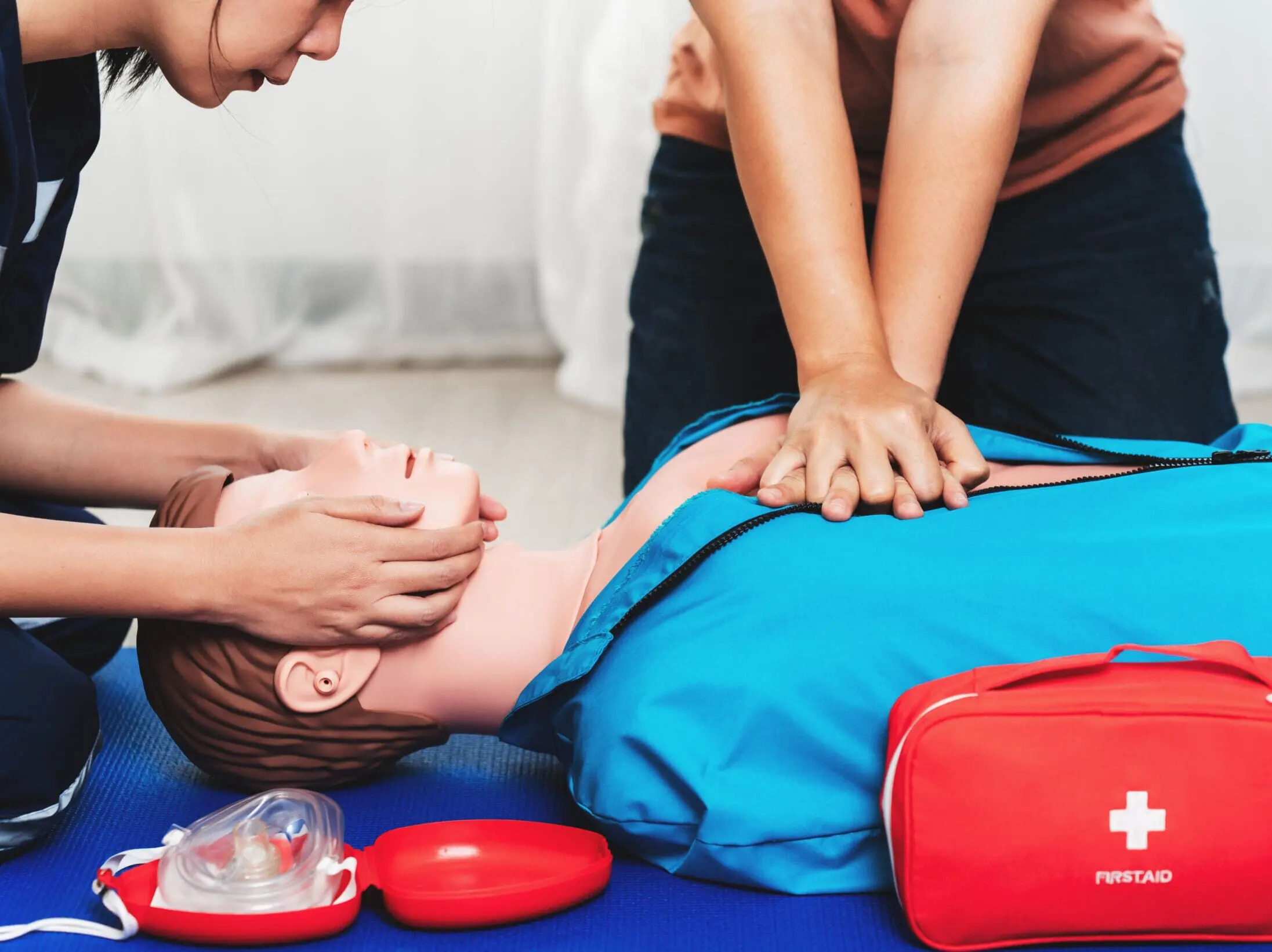
Anywhere, at any moment, and often without notice, accidents and unexpected injuries may occur. A collision on a busy road, a simple fall at home, or a medical issue at work may all swiftly escalate into life-threatening circumstances. The decisions made in the initial few minutes of these crucial situations often dictate the result. This is the point at which first aid expertise becomes very useful. Individuals may step in, remain composed, and make judgements that can really save lives when they learn practical skills via an organised training programme, like a first aid course wagga wagga.
Table of Contents
The Vital Initial Minutes Following An Incident
When a person is hurt, they may have excessive bleeding, uneven breathing, or even shock. It might take some time for professional medical assistance to reach, particularly in congested or isolated settings. Those first minutes are really important. A skilled individual knows how to carefully evaluate the situation, assess the response, and spot potential threats.
First aid instruction teaches how to stop bleeding, stabilise wounds, and safeguard the airway. Before paramedics come, these steps assist in saving the situation from becoming worse. Bystanders may panic or inadvertently hurt someone if they don’t have the right information. They develop into a consistent and trustworthy source of assistance with training.
Self-Assurance To Take Action Rather Than Freeze
Confidence is one of the main advantages of taking a first aid training. Many individuals pause when they see crises because they are afraid of making a mistake. Understanding takes the place of fear via training. Participants practice processes in real-world situations after learning them step-by-step.
Because of this training, the reaction to an actual emergency becomes more instinctive. A skilled individual examines respiration, keeps an eye on awareness, and offers comfort rather than stepping aside. Just as crucial as physical abilities is emotional regulation. Both the wounded individual and others around them may experience less terror if there is calm communication.
The Potential Of CPR Skills To Save Lives
One of the most dangerous medical situations is cardiac arrest. The brain stops receiving oxygen when the heart stops beating. Damage to the brain may start in a matter of minutes. Until advanced care comes, oxygen may be maintained with immediate cardiac resuscitation.
Correct chest compression methods, rescue breaths, and the use of automated external defibrillators are the main topics of the training provided by CPR first aid professionals. The likelihood of surviving is significantly increased by these abilities. Global research continuously demonstrates that a bystander’s prompt CPR has a significant impact. A qualified person serves as the liaison between the emergency room and expert medical care.
Handling Physical Injuries And Bleeding
Another serious problem that needs immediate attention is severe bleeding. using pressure, using bandages, and correctly positioning the wounded individual are all part of first aid expertise. These easy methods may stop harmful blood loss.
Burns, sprains, fractures, and brain traumas are all included in the courses. Complications may be avoided by being aware of how to cool a burn, immobilise a limb, or spot concussion symptoms. Additionally, discomfort and additional tissue injury are decreased by proper handling.
Recognising Breathing And Airway Emergencies
Without assistance, allergic responses, asthma episodes, and choking may soon turn lethal. The ability to identify respiratory trouble and take appropriate action is taught in first aid training. Techniques for helping someone who is having trouble breathing or cleaning their airway are well-practised.
These abilities are especially helpful in settings like homes, businesses, and schools where there may be children, the elderly, or persons with medical concerns. Recovery or catastrophe may be determined by prompt awareness and action.
Acknowledged Training Increases Preparedness For The Real World
Learners obtain nationally recognised and standardised teaching thanks to structured programmes like HLTAID011. Medical crises, trauma, and environmental injuries are just a few of the many situations covered in this level of training. Participants get more than simply theoretical knowledge. They engage in practical exercises that replicate real-world scenarios.
The training equips participants to react in a variety of settings, including public areas, workplaces, and residences, since it adheres to precise criteria. This adaptability improves community safety in general.
Conclusion
The answer does not have to be unexpected, but accidents and injuries are. Training in first aid gives regular people amazing abilities. Bystanders may become lifesavers by learning how to manage respiratory issues, stop bleeding, and do CPR. These abilities enable people to respond swiftly, confidently, and efficiently, whether they are acquired via a first aid course, advice from CPR first aid professionals, or accredited training like hltaid011. That readiness may be the key to someone’s survival and recovery in an emergency.


