

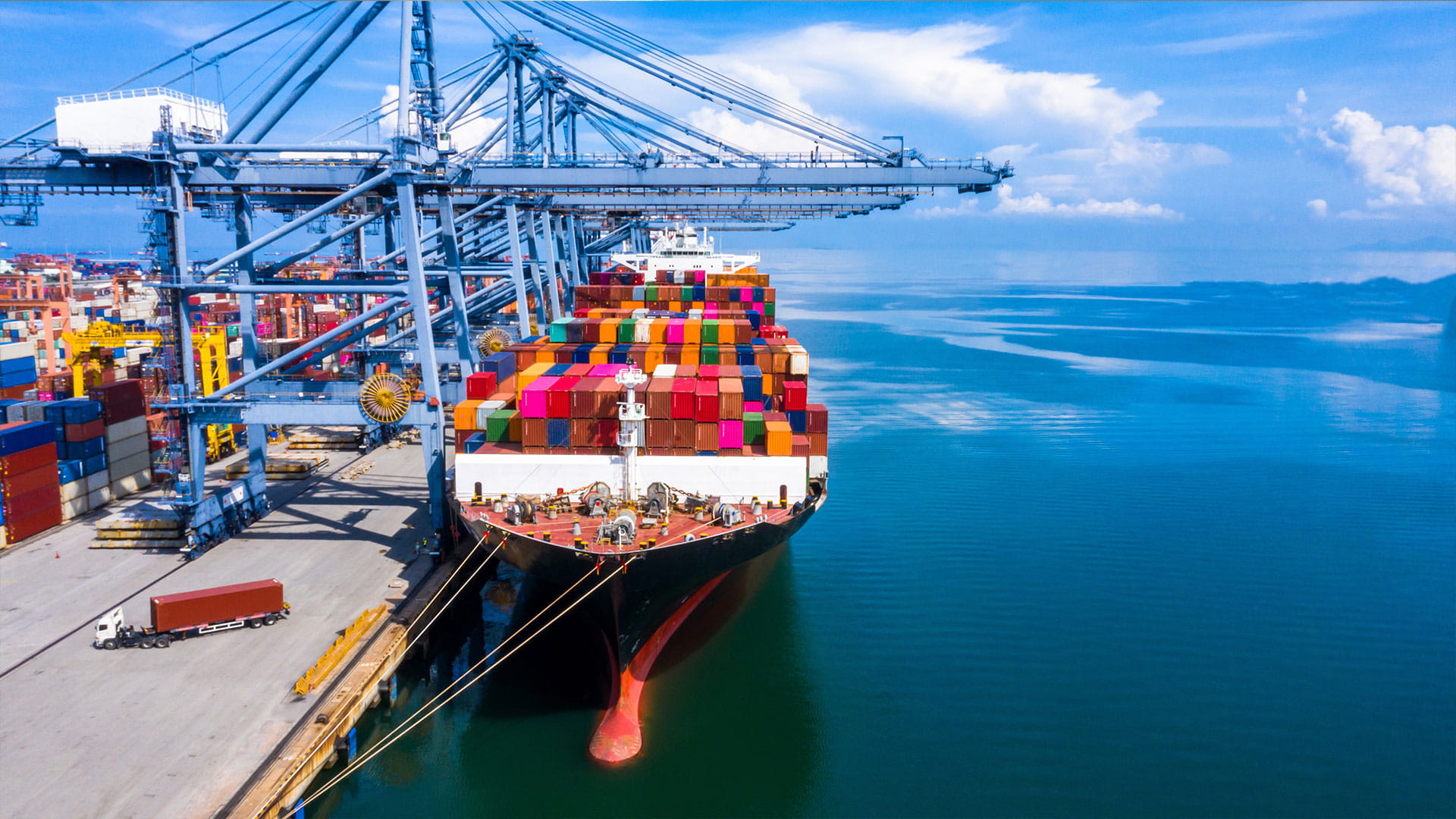
Every shipping company begins with ambition. A fleet expansion here, a new route there, perhaps a bold pivot toward greener fuel technologies. But between the executive’s vision sketched on a whiteboard and the actual vessel cutting through waves lies a chasm most people never see. This is where a unique breed of professional operates, turning aspirations into actionable maritime strategies.
Table of Contents
Speaking Two Languages Fluently
Imagine trying to explain quantum physics using only cooking metaphors. That’s somewhat similar to the challenge faced when translating complex maritime operations into business language that investors and executives understand. On one side, you have technical realities: tonnage calculations, port infrastructure limitations, weather pattern analytics, and international maritime regulations that shift like tides. On the other, you have quarterly earnings expectations, shareholder presentations, and budget committees who need clear ROI projections.
Maritime consultants bridge this gap daily, moving fluidly between these worlds. They sit in meetings where someone proposes acquiring ice-class vessels for Arctic shipping routes, then immediately calculate not just the vessel costs but crew training requirements, insurance premiums for polar operations, and the geopolitical implications of northern passage navigation.
The Art of Seeing Around Corners
What makes this translation work particularly fascinating is the forward-thinking component. Unlike translating a document from one language to another, this involves predicting futures that haven’t unfolded yet. Will sulfur emission regulations tighten further in Southeast Asian waters? How will autonomous shipping technology affect crew management five years down the line? What happens when a company’s entire route network depends on a canal that might face water level issues?
These professionals don’t just answer questions. They ask the ones that nobody thought to raise. When a shipping executive gets excited about a new market opportunity, someone needs to point out the practical concerns: Can your vessels actually fit in those ports? Do you have relationships with local agents? What about crew rotation logistics for longer voyages?
When Numbers Tell Stories
There’s something almost poetic about how data transforms in skilled hands. A spreadsheet filled with fuel consumption rates, port turnaround times, and maintenance schedules becomes a narrative. It tells you whether that ambitious expansion into West African ports makes sense, or if your company would be better served optimizing existing routes.
This storytelling aspect matters more than people realize. Boards of directors don’t approve multi-million dollar investments because of raw numbers alone. They need to understand the story those numbers tell, the risks they reveal, and the opportunities they illuminate. Converting technical maritime data into compelling business narratives requires both analytical precision and communication finesse.
Beyond the Obvious Solutions
Perhaps the most valuable aspect of this translation work is the ability to spot non-obvious solutions. When a company faces rising fuel costs, the obvious answer is seeking cheaper fuel suppliers. But a deeper analysis might reveal that adjusting sailing speeds by just two knots, optimizing routes based on current patterns, or timing port arrivals to avoid waiting could save more money without changing suppliers at all.
This requires seeing the entire system, not just individual components. It means understanding how crew scheduling affects maintenance windows, how port choices influence cargo handling efficiency, and how seasonal weather patterns should shape annual operational planning.
The Quiet Confidence of Expertise
There’s rarely applause for preventing disasters that never happen. When careful analysis steers a company away from a disastrous investment or toward an overlooked opportunity, the victory is silent. The ship that doesn’t run aground, the route that proves profitable year after year, the expansion that succeeds because someone asked the right questions beforehand.
These hidden translators work in the space between vision and reality, ensuring that maritime dreams don’t crash against the rocks of practical limitations. They make complexity comprehensible and turn uncertainty into calculated decisions worth betting on.


