

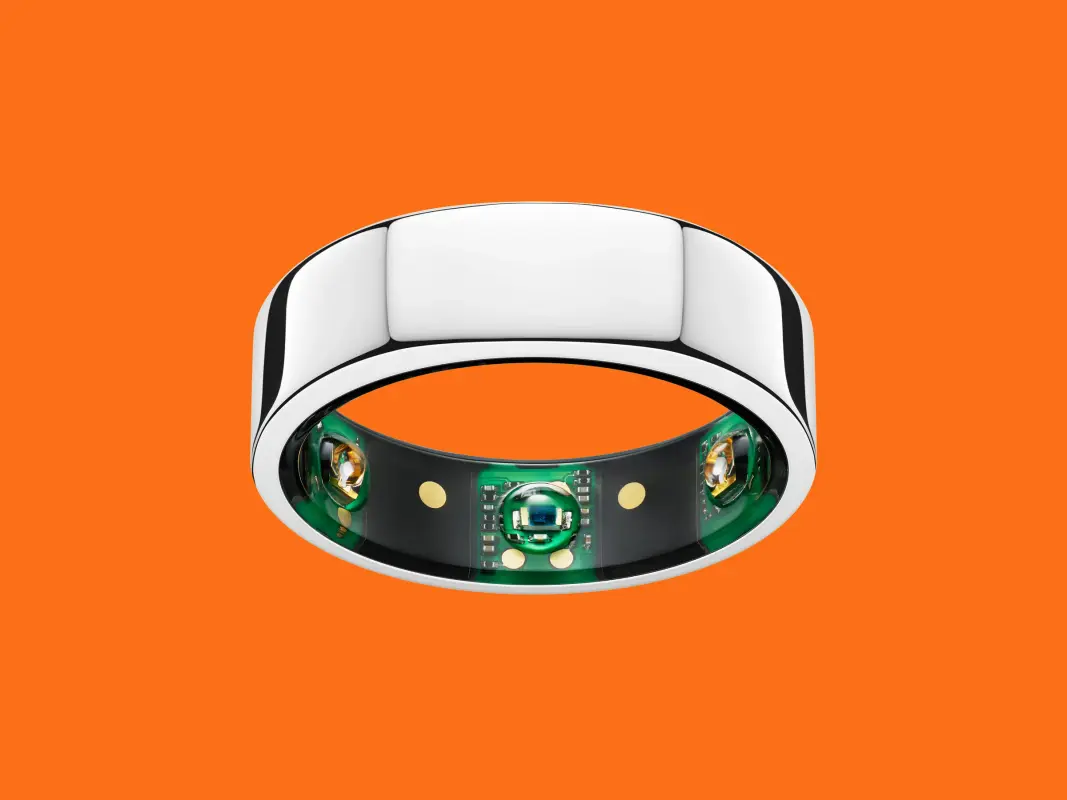
In a surprising move, the Defense Health Agency (DHA) has officially canceled its solicitation for the OuraRing biometric ring, halting plans that had sparked widespread discussion across military and tech communities. The decision has raised questions about the future of wearable technology in government health monitoring programs and what this means for biometric data collection in military settings.
If you’re wondering why DHA cancels OuraRing biometric ring solicitation, what led to the reversal, and what comes next, you’re in the right place. This article breaks it all down in simple, clear terms.
What Was the OuraRing Biometric Ring Solicitation About?
The Oura Ring is a smart wearable device worn on the finger. It tracks a range of health metrics, including:
-
Sleep patterns
-
Heart rate variability
-
Respiratory rate
-
Body temperature
-
Blood oxygen levels
The device is lightweight, unobtrusive, and widely used by athletes, wellness enthusiasts, and researchers alike.
The DHA’s Original Interest
The Defense Health Agency (DHA), which oversees medical services across the U.S. military, originally issued a solicitation for procurement of Oura Rings as part of a broader initiative to improve troop readiness and overall health monitoring. The idea was to leverage biometric data to:
-
Monitor service members’ recovery and fatigue levels
-
Detect early signs of illness or stress
-
Enhance operational readiness
-
Inform health-related decision-making in real time
The solicitation was seen as a step toward modernizing military healthcare using commercial wearable technology.
Why Did DHA Cancel the OuraRing Biometric Ring Solicitation?
So, why exactly did DHA cancel the OuraRing biometric ring solicitation? Several potential factors contributed to the decision, though a formal, detailed explanation has not been made public.
1. Privacy and Security Concerns
Military operations involve strict data security protocols. Concerns may have arisen over:
-
Data transmission and storage
-
Third-party access to sensitive biometric information
-
Risk of cybersecurity breaches
Biometric data is deeply personal, and improper handling can lead to serious consequences.
2. Fit for Operational Use
Despite its popularity in civilian use, the Oura Ring may not have been deemed rugged or adaptable enough for use in active-duty or deployed environments.
3. Cost and ROI Analysis
Budget reviews may have questioned whether the investment in commercial biometric rings would yield measurable returns for the DHA, especially when compared with existing or in-house systems.
4. Public and Political Scrutiny
The idea of collecting personal health data—even for noble purposes—often attracts scrutiny. Policymakers or watchdog groups may have expressed concerns over ethical and legal implications.
Implications of the Cancellation for the Military and Wearable Tech
Military Health Tech at a Crossroads
The cancellation signals that not all commercial health wearables are a fit for military use—at least not without extensive vetting. While the military continues to explore technology that can support warfighter wellness, this move shows caution.
What’s Next?
Even though DHA cancels OuraRing biometric ring solicitation, that doesn’t mean wearables are off the table entirely. The military may:
-
Explore other devices with higher security standards
-
Invest in custom-made solutions
-
Collaborate with defense-specific tech firms
Impact on the Wearables Industry
For the tech community, this is a reminder that even well-regarded products like the Oura Ring must pass rigorous scrutiny before being used in defense applications. Companies entering this space need to:
-
Understand government procurement processes
-
Meet strict compliance and cybersecurity requirements
-
Prove the value of their devices through robust clinical studies and trials
Lessons Learned: Key Takeaways from DHA’s Decision
When a major federal agency like the DHA cancels a high-profile tech solicitation, there are lessons for everyone—from public sector leaders to health tech innovators.
For Government Agencies:
-
Ensure alignment between mission needs and tech capabilities
-
Conduct thorough security and privacy evaluations
-
Engage stakeholders early to preempt ethical concerns
For Tech Providers:
-
Know your buyer: The military has different needs than civilian markets
-
Build for compliance: HIPAA, FedRAMP, and other standards are non-negotiable
-
Prepare for transparency: Be ready to explain how your device handles sensitive data
For the Public:
-
It’s a sign that your data privacy matters—even to large government entities
-
The decision reflects checks and balances in place for public health tech procurement
FAQs About DHA Canceling the OuraRing Biometric Ring Solicitation
1. Why did DHA cancel the OuraRing biometric ring solicitation?
The cancellation likely stemmed from a combination of data privacy concerns, operational fit issues, budget considerations, and potential political scrutiny. The exact reasons have not been officially disclosed.
2. Will the military still use wearable technology?
Yes, wearable tech remains of interest to the military. However, future devices will need to meet stricter security and durability requirements.
3. Was the Oura Ring used in military settings before the cancellation?
The Oura Ring was being considered for use but had not been widely deployed in any formal capacity by the DHA before the solicitation was canceled.
4. Does this mean Oura Rings are not secure?
Not necessarily. Oura Rings are secure for general consumer use, but military-grade requirements for data protection are significantly more stringent.
5. Could the solicitation be reissued later?
It’s possible. If improvements are made to address earlier concerns, DHA or another military body could revisit the idea in the future.
Final Thoughts: What the Cancellation Tells Us About Health Tech in Government
The fact that DHA cancels OuraRing biometric ring solicitation doesn’t mark the end of wearable tech in defense—it’s a course correction. It emphasizes the importance of matching the right technology to the right use case, especially in sensitive environments like the military.
As biometric technology continues to evolve, expect to see more conversations around privacy, ethics, and utility. This cancellation might slow down adoption temporarily, but it also opens the door to smarter, safer, and more customized innovations in military healthcare.
If you’re in the health tech space or just curious about how government agencies adapt to innovation, this is one story worth watching closely.


