

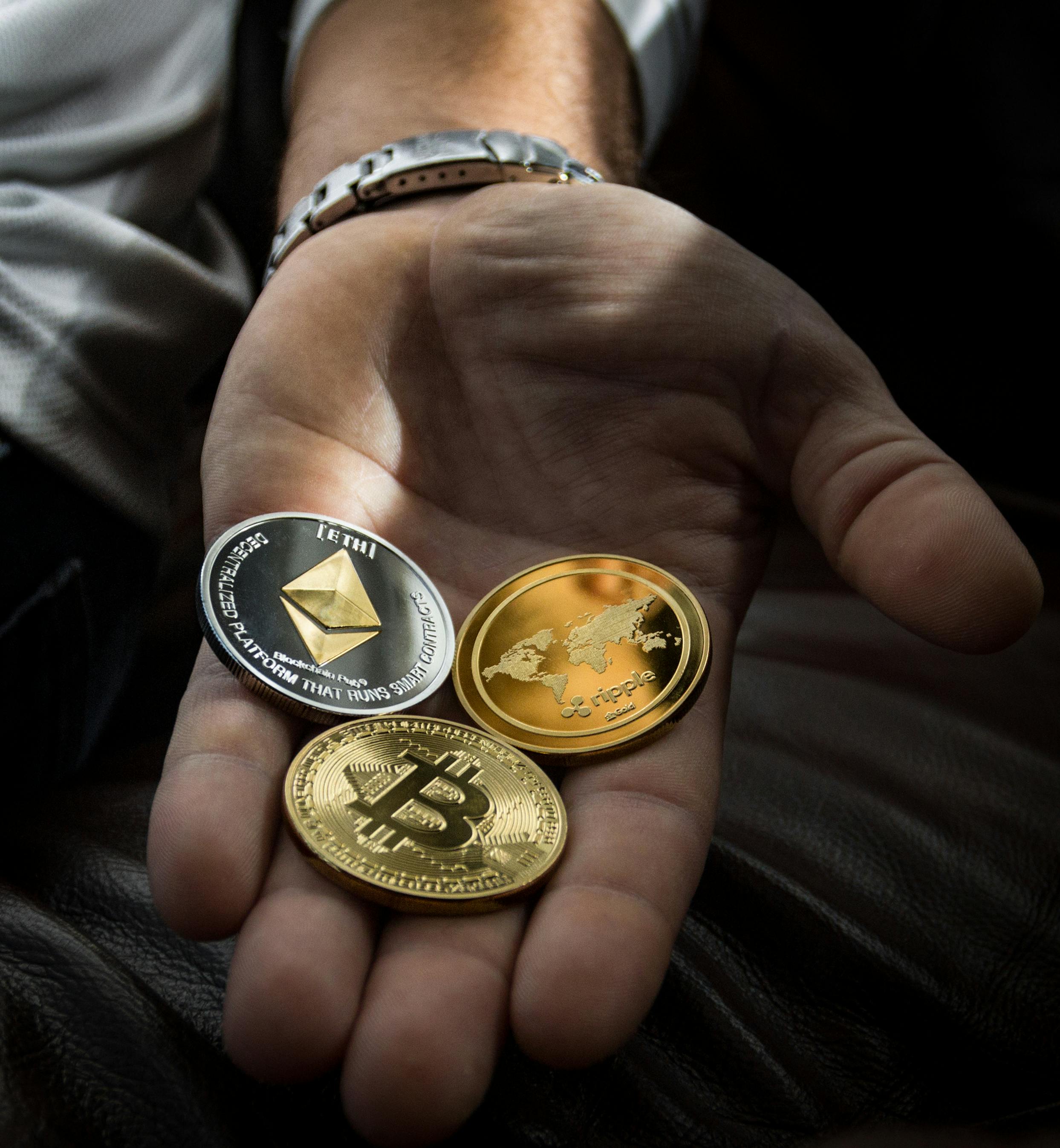
Bitcoin has evolved dramatically since its creation in 2009, from an obscure digital asset to a major player in global markets. Today, the current bitcoin price is a focal point for investors and business professionals. Understanding the factors influencing its price movements is crucial for comprehending broader economic trends.
Table of Contents
What Influences Bitcoin’s Price the Most?
The price of Bitcoin is influenced by far more factors than just the cryptocurrency’s basic order books. Due to Bitcoin’s digital nature, there are some other elements that can equally affect the price, positively or negatively.
Market need: Like the other forms of assets, Bitcoin’s value is determined by its market demand. An increase in demand for buying Bitcoin increases its value. For instance, a rise in the number of buyers looking to purchase Bitcoin, whether due to media hype or market patterns, requires increased prices. When interest decreases, the price falls accordingly.
Institutional Interest: In recent years, firms like Tesla and MicroStrategy have started purchasing significant quantities of Bitcoin. As larger firms begin to make investments, Bitcoin is increasingly being viewed as an asset. This growing institutional interest in Bitcoin provides further price-supporting credibility.
Regulation: Government activity often results in sharp fluctuations in the price of Bitcoin. For example, China’s cryptocurrency exchange crackdown led the market to decline sharply. Optimistic regulation, like Bitcoin being made legal tender in El Salvador, has also sustained a higher value for Bitcoin.
Global Economic Conditions: Bitcoin is regarded as a safeguard against inflation and economic downturns. When traditional fiat currencies lose value, many investors flock to Bitcoin for protection, greatly increasing its price. Bitcoin’s price is highly volatile based on central bank monetary policies and global economic instability.
Impact of Bitcoin on the World Financial Markets
Bitcoin’s impact is not restricted to digital currencies only. Being the most popular cryptocurrency, Bitcoin’s price fluctuations tend to influence other financial markets as well. Here’s the reasoning:
Investor Sentiment: Bitcoin’s price can either prompt optimism or caution across the broader financial markets. A Bitcoin bull run tends to generate optimism that transcends to other assets such as equities and even commodities, including gold. Sudden steep drops in Bitcoin can trigger the opposite response, where investors flee to safer assets.
DeFi Movement Acceleration: The growth in Bitcoin’s market share turns Bitcoin into an interest booster for the DeFi movement, which seeks to develop financial services on decentralised blockchains. The backing that Bitcoin provides fosters other altcoins and DeFi platforms to innovate, which attracts further investments into the financial system.
Mainstream Financial Adoption: With Bitcoin-protocol exchange-traded funds (ETFs) and custodial services, Bitcoin is gradually being accepted by major banks and financial institutions. From Bitcoin exchange-traded funds (ETFs) to custodial services, its growing acceptance among major banks and financial firms signals Bitcoin’s increasing role in global finance.
Volatility: The price of Bitcoin can change dramatically within a short period. For some, the volatility is exciting, while for others it can be a nightmare. For example, investors who are not accustomed to the sudden drop in price will see this as a major risk when making long-term investment decisions.
How the Media Shapes Bitcoin’s Price
Perception greatly matters when it comes to Bitcoin’s price, and the media plays an extremely important role in this. Positive news, such as major companies accepting Bitcoin or government policies, can lead to a surge in price; however, bitcoin hacks and government crackdowns wound the price equally.
For instance, in 2017, Bitcoin was the subject of both negative and positive press. On one hand, media outlets fuelled the price by giving it attention, and retail investors were buying in droves. On the other hand, everyone was worried about it being used for illicit activities. We can see how dual perceptions can lead to media hype and Bitcoin boom-bust cycles.
Why Is Bitcoin So Volatile?
Whenever Bitcoin comes to mind, people always think it comes with high volatility risks. These risks can be seen as both opportunities and threats at the same time. The factor that contributes to the volatility of Bitcoin is its unconventional trait of being a decentralised currency.
Liquidity: Even though the market for Bitcoin has expanded, it still lags behind more traditional financial markets. This means that gigantic trades from institutional investors or larger players can significantly impact the price. With this being said, the buying and selling of Bitcoin is often accompanied by noticeable shifts in price because of institutional investors.
Speculation: Unlike conventional assets, which folks tend to invest in for years or even decades, speculative investing in Bitcoin is short-term. As a result, it becomes increasingly difficult to keep track of price movements. Speculative investing adds a lot more fuel to the fire, as the purchase and sale often happen without direction.
External Factors: Situations such as a country’s political unrest, crises in finances, or even new technology innovations can greatly impact Bitcoin pricing dynamics. For instance, in times of economic turmoil, people could turn to Bitcoin as a “safe haven” asset.
Bitcoin as a Store of Value
Because of its volatility, at least for now, Bitcoin’s price will be new to the average consumer, like gold. The steady integration of Bitcoin into wider circulation is expected to measure value more deeply and reduce volatility, making it more reliable over time. For now, though, Bitcoin serves as a hedge against inflation and the devaluation of fiat currencies.
More people are acknowledging Bitcoin as a recognised store of value due to increasing institutional adoption. With more people viewing it as a hedge against traditional financial risks, Bitcoin is becoming even more fortified in the investment arena.
What’s Next for Bitcoin?
The future of Bitcoin is still up in the air, but we can expect its pricing to be shaped by market dynamics, participation from institutions, and other economic factors worldwide. Over time, institutional adoption can increase Bitcoin usage, which can help stabilise the price; however, volatility will always remain one of Bitcoin’s key features.
As Bitcoin matures over the years and gets integrated more into the infrastructure of traditional finance, its impact on the world economy will be much larger. Bitcoin’s price remains a focal point for investors, policymakers, and businesses as its influence over global finance strengthens.


