

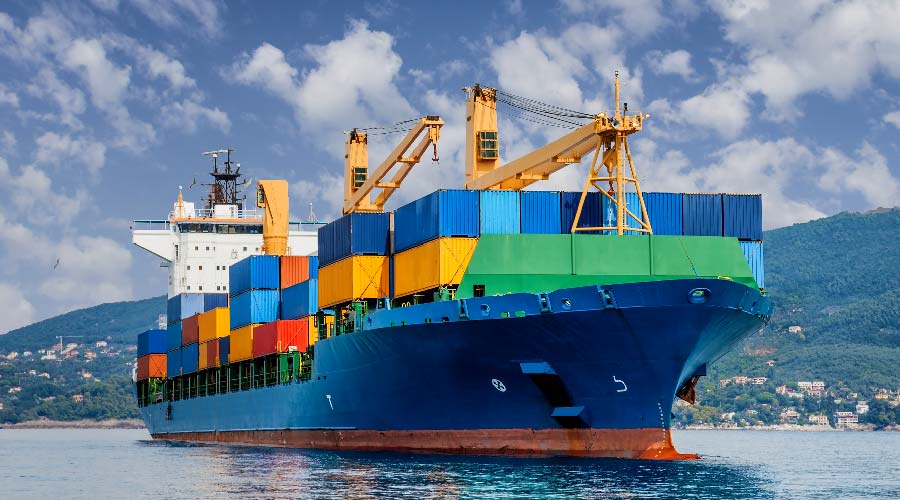
With global trade expanding, goods are constantly moving across borders and oceans. However, this movement also exposes shipments to risks like theft and piracy, especially on long international routes. This is where marine insurance policies become important. It helps businesses deal with financial losses that may arise when cargo is stolen, hijacked or lost during transit.
Table of Contents
Understanding Theft and Piracy Risks
Cargo theft can happen at various stages during loading, storage or while goods are being transported by road. In some cases, shipments may be targeted at transit hubs where handling is frequent.
Piracy, on the other hand, is a risk mainly associated with sea routes. Ships passing through certain regions may face threats such as hijacking or armed attacks. These incidents can lead to major financial losses, not just due to stolen cargo but also because of delays and operational disruptions.
Coverage Offered By Marine Insurance
Marine insurance policies are designed to cover losses arising from theft and, in many cases, piracy-related incidents. Depending on the terms, businesses can receive compensation for the value of lost or damaged goods.
The extent of coverage may vary, so it is important to understand whether risks like piracy are included or require additional protection. Some policies also cover partial losses, which can be useful if only a portion of the shipment is affected.
Types of Policies That Cover Theft and Piracy Risks
Under freight cargo insurance, businesses can choose from different types of marine policies based on their needs. All-risk policies generally offer broader protection, covering a wide range of unforeseen events, including theft.
In certain cases, businesses may need to opt for additional clauses, such as war or strike coverage, to ensure protection against piracy-related risks. These extensions are especially relevant for shipments moving through high-risk zones.
How Theft Claims are Processed
If a theft or piracy incident occurs, the claims process usually begins with notifying the insurer and providing relevant documentation. This may include shipping documents, invoices and evidence of the incident.
Surveyors may be appointed to assess the extent of the loss. Once the claim is verified, compensation is processed based on the policy terms. Keeping accurate records can help speed up this process.
Risk Mitigation Measures by Insurers
Insurers often encourage businesses to take preventive steps to reduce risk. This may include using secure packaging, tracking systems and verified transport partners.
For sea routes, following recommended shipping paths and complying with safety guidelines can also make a difference. In some cases, adopting such measures may even help in managing premium costs.
Importance of Theft Coverage for Businesses Engaged in Global Trade
The financial impact of theft or piracy can be significant, especially for high-value shipments. Marine insurance helps businesses handle these losses without disrupting business operations.
It also makes it easier to work with international partners, since shipments are backed by proper coverage. Some insurers, including TATA AIG, offer options that can be adjusted based on the type of goods and routes involved.
Conclusion
Theft and piracy remain real concerns in global shipping, especially as trade routes expand. Marine insurance plays an important role in protection businesses against these risks by covering potential losses during transit. By understanding the available coverage and choosing the right policy, businesses can better prepare for uncertainties and keep their operations on track.


