

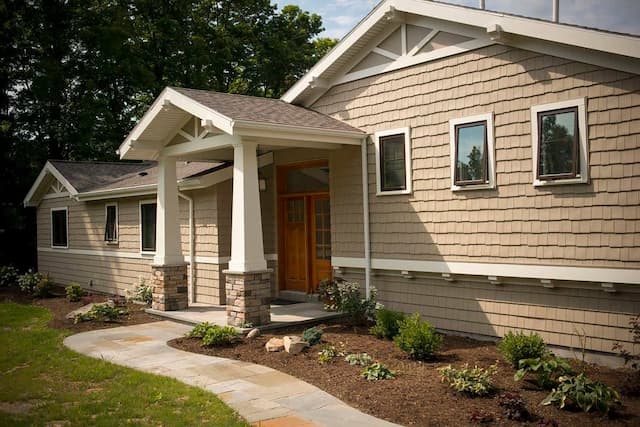
Picture yourself driving through a neighborhood. One house has paint peeling off in strips, siding with visible cracks running up the walls. You barely register it exists. Then you spot another property: pristine materials catching the light, landscaping that looks professionally maintained, surfaces that practically glow with care. That second home? It’s not just prettier. It’s worth thousands more when the market opens up.
Exterior home upgrades reshape both buyer psychology and actual sale numbers, sometimes by margins you wouldn’t believe. These aren’t cosmetic tricks. They’re protective investments that multiply their value across years, even decades. For homeowners serious about building wealth through real estate, nothing beats strategic exterior work.
Table of Contents
The Science Behind Exterior Upgrades and Property Valuation
Here’s what separates guesswork from smart renovation strategy: understanding how professionals actually assign dollar values to improvements. Appraisers aren’t swayed by what looks trendy on Pinterest; they’re hunting for quality, longevity, and how your property stacks up against the market.
How Real Estate Appraisers Evaluate Exterior Improvements
Appraisers pull recent sales data from comparable homes nearby, then adjust values based on condition and upgrades. Quality materials paired with expert installation? That pushes your number higher. But context matters enormously.
Here’s something most homeowners miss completely: documentation. Every receipt matters. Every warranty card counts. Permits prove legitimacy. When appraisers see professional installation backed by certified contractors, they assign real credibility that translates into higher valuations. It’s not about bragging rights, it’s about provable quality.
Market Data and Value Retention
Materials age at wildly different rates. Some look fantastic for half a decade, then fall apart. Others maintain their integrity and appearance for thirty years with basic upkeep.
Markets like Vancouver and Portland have developed a strong appetite for low-maintenance exteriors. Experienced siding contractors operating in these regions, particularly specialists in fiber cement and engineered products, consistently report how these materials outperform traditional options in both appearance retention and ownership cost reduction. They hold up. They sell homes.
Climate dictates material performance more than most people realize. The Pacific Northwest cycles through drenching winters and bone-dry summers, demanding materials that handle moisture swings without warping, rotting, or losing finish quality. When you’re strategizing serious curb appeal improvements, choosing materials matched to your regional conditions protects against premature failure and wasted investment.
Once you grasp how appraisers think and what market data reveals, you can zero in on specific improvements that consistently generate the highest long-term returns.
High-Impact Exterior Home Upgrades That Deliver Lasting Returns
Reality check: not every renovation pays back equally. Some projects return 90% of what you spend. Others barely hit 50%. Let’s focus on the winners that actually perform.
Premium Siding Systems
Siding replacement consistently dominates the list of top-performing exterior projects. Fiber cement resists insects, fire, and decay while maintaining visual quality across decades. Yes, it costs more upfront than vinyl but it signals genuine quality to informed buyers, directly affecting how much your property can increase home value exterior.
Color choices carry more weight than you’d expect. Neutral palettes appeal broadly, while bold statements can shrink your buyer pool dramatically. Transferable warranties provide buyers with confidence that any future issues get covered, years after they take ownership.
Installation quality determines everything. Proper moisture barriers, correct fastening methods, meticulous trim work these details separate mediocre outcomes from installations that genuinely add lasting value. Cutting corners here destroys the entire investment.
Architectural Roofing
Your siding establishes visual identity, sure. But the roof system protects everything underneath? That plays an equally vital role in safeguarding investment and commanding premium pricing from serious buyers.
According to the NAR 2022 Remodeling Impact Report, roof replacement returns 100% of your investment. That’s almost unheard of in renovation projects. Modern materials frequently include impact-resistant features that reduce insurance premiums, creating ongoing savings beyond whatever you recoup at sale.
Dimensional shingles deliver superior aesthetics versus basic three-tab products. Metal roofing lasts even longer and attracts buyers worried about fire risk or lifecycle costs. Coastal properties see hurricane-rated materials command pricing premiums that exceed their added expense.
Outdoor Living Structures
After securing your protective envelope, pushing living space outward through covered patios or custom decks dramatically increases functional square footage without expensive interior additions.
Covered outdoor areas function year-round in temperate zones like the Pacific Northwest. These structures convert neglected yards into entertainment zones that modern buyers increasingly expect as standard. Well-executed outdoor rooms with electrical infrastructure and weather protection particularly appeal to lifestyle-focused buyers.
Hardscaping integration changes everything. A standalone deck feels incomplete and amateur. Pair it with professional pathways, strategic lighting, and thoughtful landscaping, and suddenly you’ve created a cohesive outdoor environment that maximizes property appeal and justifies asking more.
These outdoor additions create valuable entertainment real estate, but their impact explodes when combined with professional landscaping that frames your property and generates lasting visual punch.
Emerging Trends Reshaping Exterior Home Value
Smart homeowners now incorporate technologies and sustainable features that resonate with next-generation buyers. These aren’t passing fads, they’re quickly becoming baseline expectations.
Smart Home Integration
Video doorbells and smart locks have migrated from luxury to standard equipment. Buyers expect them. Their absence can actually damage your sales prospects in competitive markets. Automated exterior lighting delivers both convenience and security value that buyers immediately understand.
Weather-responsive irrigation saves water while protecting landscape appearance. In drought-restricted regions, these systems preserve landscape investments while demonstrating environmental awareness. Smart garage systems with package delivery capabilities address modern lifestyle requirements that older homes simply can’t satisfy.
Sustainable and Eco-Friendly Features
Beyond convenience technology, today’s buyers increasingly prioritize environmental responsibility. Outdoor home improvement ideas incorporating sustainability generate substantial appeal among conscious buyers willing to pay premiums for alignment with their values.
Rainwater harvesting makes practical sense where water restrictions bite. Native plant landscaping cuts maintenance dramatically while supporting local ecosystems. Solar panel-ready infrastructure and EV charging preparation signal forward-thinking that attracts buyers planning long-term ownership.
Permeable paving reduces stormwater runoff while creating attractive hardscape. These features satisfy environmental regulations while appealing to ecologically minded buyers. Green roofs and living walls remain luxury territory but they’re entering mainstream consciousness rapidly.
Sustainability attracts values-driven buyers, but climate resilience addresses the practical reality of intensifying weather patterns that directly impact insurability and long-term property value.
Strategic Timing and Financial Considerations
Knowing which upgrades deliver value represents only half the battle. Executing them at optimal times amplifies returns significantly.
When to Invest in Exterior Improvements
Pre-listing improvements require 3-6 months lead time for maximum impact. Fresh work photographs better and impresses buyers more than projects completed years earlier. Seasonal factors affect contractor availability and how materials perform during installation.
Market conditions reshape renovation strategy dramatically. In hot seller’s markets, solid maintenance might suffice. In competitive buyer’s markets, quality exterior renovation roi separates your listing from comparable properties and supports premium asking prices.
Life stage considerations matter too. Pre-retirees benefit from low-maintenance upgrades reducing future physical demands. Young families prioritize safety features and play areas. Empty nesters focus on eliminating upkeep requirements.
Funding Options That Protect Returns
Home equity lines offer flexibility for phased improvements without massive upfront cash outlays. Cash-out refinancing during favorable rate environments can fund major projects while reducing overall borrowing costs. Utility companies frequently offer rebates for energy-efficient installations that improve project economics.
The costliest exterior investment? Deferred maintenance. Compound damage from ignored issues rapidly destroys value and buyer appeal. Emergency repairs cost exponentially more than planned renovations while delivering zero aesthetic benefit.
| Upgrade Type | Average ROI | Lifespan | Best Climate Zones |
| Fiber Cement Siding | 75-85% | 50+ years | All regions |
| Dimensional Shingle Roof | 85-100% | 25-30 years | Moderate climates |
| Metal Roofing | 85-95% | 50+ years | Coastal, snow zones |
| Composite Deck | 70-82% | 25-30 years | All regions |
| Triple-Pane Windows | 65-75% | 30+ years | Cold climates |
| Covered Patio | 70-85% | 30+ years | Mild, wet climates |
Smart financing protects investment capacity, but material selection determines whether your exterior upgrades deliver value for decades or demand premature replacement.
Final Thoughts on Building Long-Term Value
Strategic exterior home upgrades create compounding returns through enhanced aesthetics, reduced maintenance demands, and stronger buyer appeal. Prioritize quality materials, professional installation, and regionally appropriate choices addressing your climate’s unique challenges. Document everything meticulously: permits, warranties, receipts protect your investment when appraisers evaluate your property down the line.
Balance personal enjoyment against market positioning by avoiding over-improvement while maintaining quality standards matching your neighborhood profile. The right exterior improvements deliver daily satisfaction while building equity that pays dividends across decades. Start planning now, execute strategically, and watch your property value grow.
Common Questions About Exterior Value Upgrades
How long should I wait after renovations before selling to maximize returns?
Most exterior work shows maximum value impact immediately after completion. That said, waiting 3-6 months lets fresh installations weather slightly, eliminating that “just finished” appearance while materials still look pristine and warranties remain nearly full-term.
Which exterior projects consistently underperform in ROI?
Swimming pools rarely return installation costs except in warm climates where they’re expected standard features. Over-customized elements like elaborate water features or extremely bold color schemes limit buyer appeal. Excessive outdoor automation creates complexity that scares off non-technical buyers.
Do sustainable exterior features justify their premium cost?
In environmentally conscious markets like Portland and Seattle, eco-friendly features command measurable pricing premiums. Native landscaping, rainwater collection systems, and solar-ready infrastructure strongly appeal to buyers willing to pay more for properties matching their values. Regional market research determines whether these investments make financial sense in your specific area.


