

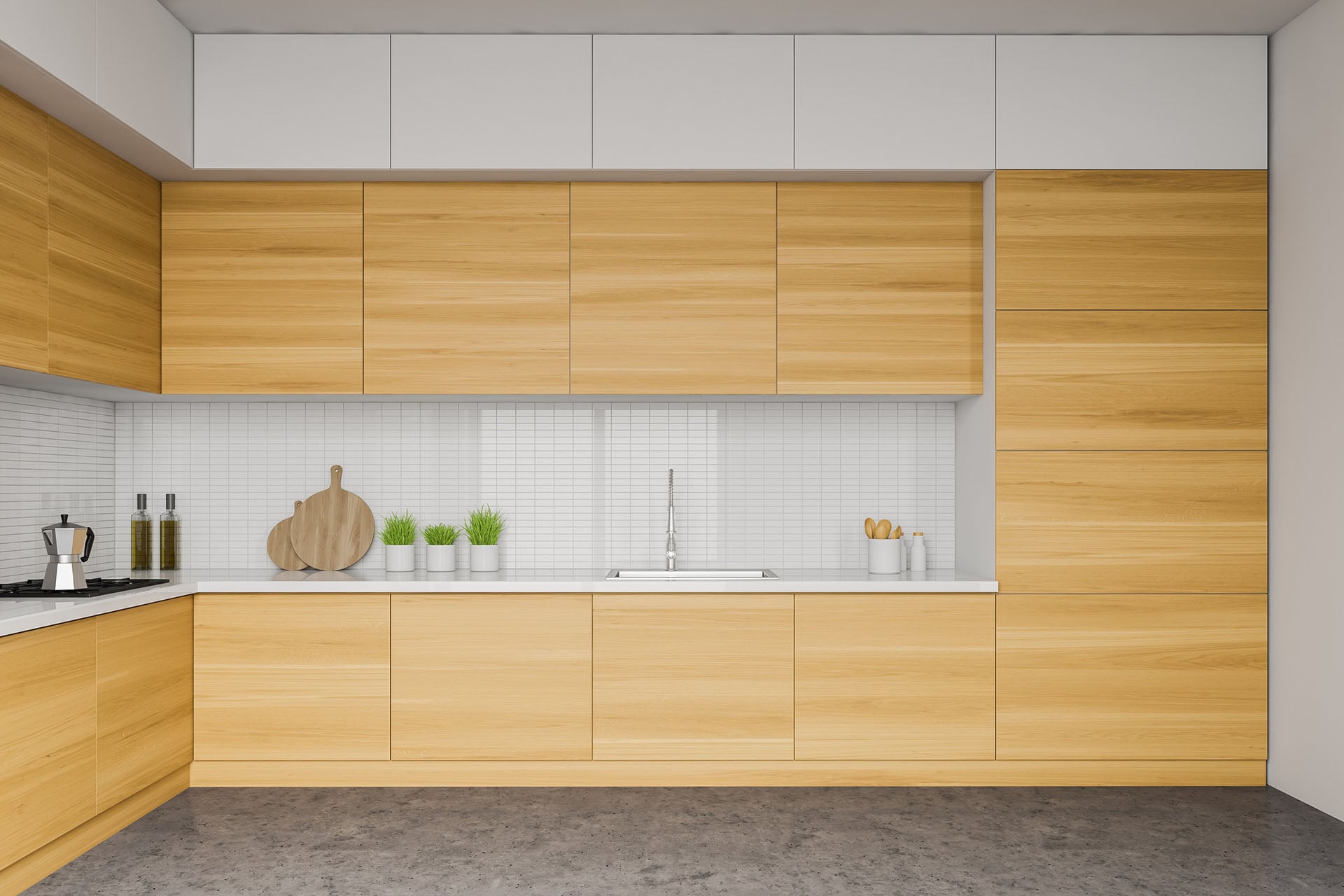
When preparing to sell your home, every renovation decision counts. Among the various home improvements available, custom cabinetry stands out as a potential value-adder that many homeowners consider. All Cabinetry custom cabinetry solutions can transform living spaces, but do they actually increase your home’s resale value? The answer depends on several factors including location, quality, thoughtful design, and current buyer preferences in the Australian property market.
Table of Contents
Key Takeaways
- Quality custom cabinetry can increase home value, particularly in kitchens and storage-focused areas
- Return on investment varies by location, property type, and execution quality
- Material selection and timeless design choices yield better resale results than trendy options
- Documentation of quality and warranties adds perceived value at sale time
- Strategic allocation of your cabinetry budget maximises return potential
How Custom Cabinetry Influences Resale Value in Australia
Market Context: Current Australian Buyer Preferences
Australian homebuyers increasingly value thoughtful storage solutions and high-quality finishes. In major markets like Sydney and Melbourne, buyers are willing to pay premiums for homes with well-designed custom cabinetry, especially in kitchens and built-in wardrobe spaces.
Differences by Property Type
The value-add varies substantially across housing types. In space-constrained apartments, clever storage solutions through custom joinery can dramatically increase appeal. For suburban family homes, kitchen cabinetry quality often determines buyer interest levels. In character cottages, cabinetry that honours the home’s heritage while providing modern functionality can drive significant price increases.
Perception of Custom versus Standard Fittings
Buyers can typically spot the difference between mass-produced cabinetry and custom work. While not all buyers will pay substantial premiums, most recognise quality craftsmanship and practical storage solutions as indicators of a well-maintained and thoughtfully designed home.
Key Factors That Determine Added Value
Material Quality and Construction Methods
The materials used in your cabinetry significantly impact both durability and perceived value. Solid timber fronts, quality marine-grade plywood carcasses, and premium hardware deliver the greatest return. Conversely, particleboard and basic laminates may not yield meaningful value increases.
Functional Layout and Storage Efficiency
Smart storage solutions address universal buyer needs. Pull-out pantries, deep drawers, and tailored organisational features demonstrate thoughtful design that buyers appreciate and remember when comparing properties.
“The most valuable cabinetry isn’t just beautiful – it solves storage problems that standard options simply can’t address, creating functional spaces that buyers immediately connect with.” – All Cabinetry
Style Choices: Timeless versus Trends
Neutral, timeless designs typically yield better returns than bold fashion statements. White, light timber, and grey palettes maintain broader appeal, while highly personalised or trendy choices might limit buyer interest or prompt renovation plans that discount your investment value.
Cost versus Return: Estimating Likely ROI
Typical Cost Ranges in Major Australian Cities
Custom kitchen cabinetry in Australia typically ranges from $15,000-$50,000 depending on materials, complexity and size. Built-in wardrobes generally cost $3,000-$10,000 per room, while laundry and bathroom joinery typically falls between $5,000-$15,000.
Scenarios with Strong Price Uplift
Kitchen renovations featuring quality custom cabinetry typically recover 75-90% of costs in immediate resale value. Clever storage solutions in space-constrained properties often return 100%+ of their investment. Family homes with thoughtful kid-friendly storage features also tend to see excellent returns.
When Cabinetry Won’t Recoup Full Cost
Over-capitalisation remains a risk. Ultra-high-end cabinetry in modest neighbourhoods rarely recovers full costs. Similarly, highly personalised designs or unusual material choices may not appeal to the mainstream market.
Design Choices That Add the Most Value
Kitchen Priorities
Focus on:
- Island benches with integrated storage
- Walk-in pantries with customised shelving
- Butler’s pantries in premium properties
- Drawers rather than cupboards for lower cabinetry
- Stone benchtops paired with quality cabinetry
Built-in Storage Solutions
Well-designed built-in wardrobes can be major selling points. Buyers respond positively to bedroom cabinetry that maximises space and offers tailored storage like shoe racks, jewellery drawers, and integrated lighting.
Laundry and Bathroom Joinery
Functional laundry cabinetry with thoughtful details like pull-out hampers, drying racks, and cleaning supply storage demonstrates attention to everyday liveability. In bathrooms, wall-hung vanities with quality storage create a sense of space and luxury.
Quality Indicators Buyers Notice
Materials That Impress
Buyers consistently respond to solid timber elements, quality hinges and drawer runners, soft-close mechanisms, and seamless finishes. These details signal quality that extends beyond what’s immediately visible.
Documentation Adds Value
Warranties, certificates from recognised cabinetmakers, and maintenance records provide reassurance and can justify higher asking prices. These documents demonstrate investment quality and ongoing care.
Practical Steps for Homeowners
Budget Allocation Strategy
Allocate 60-70% of your cabinetry budget to kitchens and primary storage areas. Reserve 20-30% for master bedroom storage solutions, and the remainder for secondary spaces. This approach focuses investment where buyers place most value.
Maintenance Tips for Market-Ready Cabinetry
Before listing, address any issues with drawer alignment, door hinges, and visible wear. Simple touch-ups and hardware replacements offer excellent return for minimal investment.
Case Studies: Australian Results
Inner-City Apartment Kitchen
A Melbourne one-bedroom apartment invested $22,000 in custom kitchen cabinetry featuring space-maximising solutions. The property sold for $45,000 above comparable apartments in the building, representing a 204% return on the cabinetry investment.
Suburban Family Home
A Brisbane 4-bedroom home added custom built-ins to all bedrooms ($18,000) and upgraded the kitchen cabinetry ($32,000). The home sold within one week for $80,000 above the expected price range, with buyers specifically citing the storage solutions as a deciding factor.
Presenting Cabinetry as a Selling Point
Effective Listing Copy
Highlight specific materials, special features, and storage benefits in listing descriptions. Mention cabinetmaker names if they’re well-regarded, and emphasise custom elements that set your property apart from standard homes.
Photography Tips
Ensure photographers capture both the overall aesthetic and functional details of cabinetry. Open drawers to showcase organisational features, and provide specific shots of premium hardware and clever storage solutions.
When selling your home, quality custom cabinetry can indeed boost your resale value when it aligns with buyer expectations, demonstrates thoughtful design, and offers practical benefits. The key is making strategic choices that appeal to your target buyer market rather than just personal preferences. All Cabinetry recommends focusing on quality materials, timeless design, and functional solutions that showcase your home’s potential for comfortable, organised living. With the right approach, custom cabinetry becomes not just beautiful furniture but a genuine investment in your property’s market value.


