

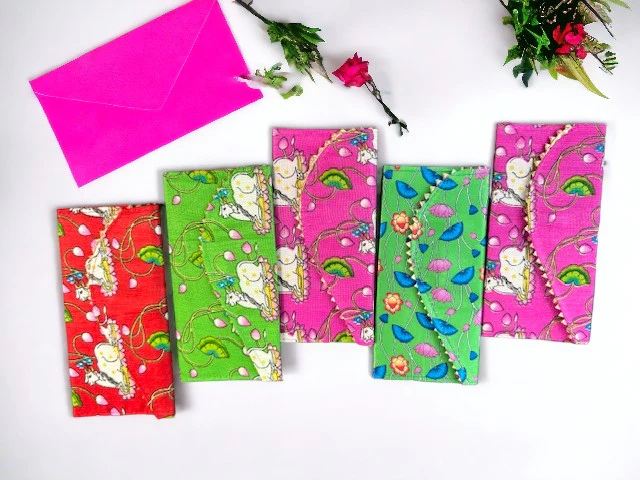
In the hustle and bustle of daily life, small yet significant items often slip through the cracks, one of which is the unclaimed lifafa. Literally translating to “envelope,” a lifafa in the Indian context carries more than just paper—it holds monetary gifts, cheques, official communications, or other valuables. Over time, envelopes that remain uncollected in offices, banks, or community gatherings accumulate, becoming a curious phenomenon. But why do these lifafas remain unclaimed, and what can be done about them? Understanding this topic sheds light not only on administrative lapses but also on social behavior and financial practices.
Table of Contents
What Constitutes an Unclaimed Lifafa?
An unclaimed lifafa can refer to any envelope left untouched or uncollected beyond a reasonable period. While the term may conjure images of forgotten cash gifts during festivals or weddings, the reality is broader:
- Bank and Financial Institutions: Cheques, dividend slips, or account-related documents sometimes remain uncollected due to outdated contact information or the recipient’s negligence.
- Government Departments: Pension notifications, tax refunds, or official letters that never reach their intended owners contribute to the accumulation of unclaimed lifafas.
- Community or Corporate Events: Gifts or rewards distributed via envelopes at weddings, festivals, or corporate gatherings occasionally go unnoticed, especially when addresses are incorrect or recipients relocate.
The consequences of leaving these envelopes unclaimed are not trivial. They can lead to administrative headaches, delayed financial benefits, and even legal complications.
Why Do Lifafas Go Unclaimed?
The reasons behind the phenomenon of unclaimed lifafas are diverse and, at times, surprising.
1. Administrative Errors
Many unclaimed envelopes originate from clerical mistakes. A minor error in spelling, postal code, or name can result in the lifafa never reaching its rightful owner. Banks, government offices, and organizations handle thousands of envelopes daily, and even a small oversight can leave valuable documents unclaimed for months or years.
2. Lack of Awareness
In certain cases, recipients are unaware that an envelope is waiting for them. For instance, pensioners or account holders may not know that a cheque or official correspondence is ready for collection. Similarly, employees might miss internal communications about rewards or bonuses distributed in lifafas.
3. Relocation or Mobility
People frequently move due to work, education, or personal reasons. A lifafa sent to an old address may remain uncollected indefinitely, eventually turning into an “unclaimed” item. In India, where migration for employment is common, this contributes significantly to the volume of unclaimed envelopes.
4. Procrastination or Neglect
Sometimes, the recipient simply delays collecting the envelope, thinking it can wait. This small act of procrastination can accumulate over time, especially in corporate or community settings, creating an unexpected pile of unclaimed lifafas.
Implications of Unclaimed Lifafas
Although an envelope may seem trivial, the implications of leaving it unclaimed can be substantial.
Financial Loss
Many lifafas contain money, cheques, or other financial instruments. Ignoring them can lead to monetary loss or missed opportunities for investment. In cases involving banks, pension funds, or dividend cheques, unclaimed lifafas can even trigger legal implications.
Administrative Burden
Unclaimed envelopes accumulate in offices, banks, and community centers, taking up space and adding to administrative workload. Staff may need to track down recipients, verify addresses, or even send reminders, consuming time and resources.
Legal and Ethical Considerations
There are legal responsibilities associated with sending official documents or monetary items. Failure to claim an envelope does not absolve the sender of their duty to deliver the contents. Over time, this raises questions about accountability, transparency, and proper record-keeping.
How to Address the Issue
The issue of unclaimed lifafas can be tackled through a combination of technology, awareness, and procedural reforms.
1. Digital Notifications
Organizations can leverage digital systems to notify recipients about pending envelopes. SMS, emails, or mobile app alerts can remind individuals about uncollected items, significantly reducing the chances of them remaining unclaimed.
2. Centralized Collection Points
Setting up central collection points in offices, banks, or community halls ensures that unclaimed lifafas are stored systematically. Regular audits and updates of these points help prevent long-term accumulation and make it easier to trace owners.
3. Public Awareness Campaigns
Raising awareness about the importance of collecting envelopes promptly can reduce the phenomenon. Public campaigns, especially in rural areas, can educate individuals about checking for uncollected documents, pension slips, or community rewards.
4. Automation and Tracking
Advanced tracking systems using barcodes, QR codes, or unique identifiers allow senders and recipients to monitor the status of envelopes in real time. This minimizes errors due to lost, misdirected, or forgotten envelopes.
Case Studies
Corporate Scenario
A leading corporate firm once discovered over 500 unclaimed lifafas containing employee bonuses dating back two years. Through a structured follow-up, reminders, and a dedicated collection desk, they managed to distribute most of the envelopes, recovering trust and employee satisfaction.
Government Example
In 2020, a municipal office in Maharashtra reported a backlog of unclaimed pension cheques. After implementing digital notifications and establishing a quarterly review system, the number of unclaimed items reduced dramatically within a year, showcasing the effectiveness of systematic intervention.
Cultural and Social Perspective
The concept of unclaimed lifafas is not purely administrative. Social norms and traditions play a role as well. In India, giving and receiving cash gifts in envelopes is common during festivals, weddings, and religious ceremonies. When recipients fail to collect these envelopes—often due to social embarrassment, forgetfulness, or migration—the items remain unclaimed. Understanding this cultural dimension adds depth to the conversation, emphasizing that the issue is as much social as it is procedural.
Conclusion
The mystery of the unclaimed lifafa is a fascinating intersection of administration, human behavior, and culture. What seems like a simple envelope often represents financial value, legal responsibility, and social significance. Addressing this issue requires a blend of modern technology, awareness campaigns, and efficient administrative practices. By paying attention to the small yet impactful act of collecting envelopes, individuals and organizations alike can prevent loss, reduce bureaucratic burden, and maintain a more organized, accountable system.
In a world moving rapidly toward digitalization, the unclaimed lifafa serves as a reminder that even small items—if neglected—can create ripple effects. Awareness, timely action, and structured systems are the keys to ensuring that lifafas find their rightful owners, bridging the gap between intention and fulfillment.


